
image of repair services (for a directtoconsumer electronics brand)
image of roofing plans

Alonso Portillo:

Designing the Future

Engineering Portfolio

Engineering Innovation. Practical Results.

Showcasing hands-on engineering projects, applied research, and innovation across materials science, energy systems, and lab-based problem solving.

image of a guided tour group
image of laboratory equipment (for a university)
image of data visualization tools explored through infographics

Projects That Built My Path

From lab research to energy systems — these projects showcase my hands-on experience and problem-solving mindset.

04/2024 -- 07/2024

Renewable Energy Go-Kart: Battery-Powered from Scratch

Built and tested a fully electric go-kart emphasizing clean power, battery integration, and hands-on engineering from concept to track.

Learn more >

Electrochemical Graphene Extraction from Graphite

01/2025 -- 05/2025

Synthesized high-purity graphene from graphite through multi-stage electrolysis and filtration for potential use in advanced conductive materials.

Learn more >
01/2025 -- 05/2025

3D-Printed Cellulose Aerogels for Carbon Capture

Engineered biodegradable aerogels from cellulose with tunable porosity and density, 3D-printed to explore scalable applications in atmospheric carbon capture.

Learn more >
05/2025 -- 08/2025

Biocarbon Pellet Binders for Clean Steel

Adhesion–wetting–thermal testing (pull-off, contact angle + Python, TGA) to advance binder candidates for durable, decarbonized pellet production.

Learn more >
06/2025 -- 08/2025

Waterloo BWC — Battery Pack & Cooling Re-Design

Hands-on EV workstream: root-cause, CAD, and validation across module mechanics, pack integration, and coolant routing to improve performance and uptime.

Learn more >

07/2025 -- 08/2025

Metal Electrolyte Wetting for Carbon Fuel Cells

Led spreadability + contact-angle testing and furnace validation at CanmetENERGY Ottawa, de-risking electrolyte–carbon interactions under varied environmental conditions.

Learn more >
COMING SOON...

H₂ Markets: ML/DL Forecasting Landscape

Reviewed state-of-the-art models for long-term H₂ price/production: RNNs (LSTM/BLSTM/GRU), transformers, and baselines (ARIMA/VAR, Prophet, GBMs), with guidance on features, horizons, and uncertainty.

Learn more >

COMING SOON...

Arduino Temperature Sensing in Water Freezing

Programmed an Arduino-RTD system to investigate how saturation levels influence the thermal behavior of freezing water solutions.

Learn more >
COMING SOON...

Microscale Coke Prep for Material Testing

Processed and pelletized coke samples for TGA and microscopy to uncover compositional and structural insights at the microscale.

Learn more >
COMING SOON...

Formulate, Market, Win: Award-Winning Soap Product Design

Formulated and marketed a custom soap product that won first place in a competitive showcase of over 180 student-engineered solutions.

Learn more >
View/Hide Full Project List

04/2024 -- 07/2024

Renewable Energy Go-Kart: Battery-Powered from Scratch

Built and tested a fully electric go-kart emphasizing clean power, battery integration, and hands-on engineering from concept to track.

Learn more >

01/2025 -- 05/2025

Electrochemical Graphene Extraction from Graphite

Synthesized high-purity graphene from graphite through multi-stage electrolysis and filtration for potential use in advanced conductive materials.

Learn more >

01/2025 -- 05/2025

3D-Printed Cellulose Aerogels for Carbon Capture

Engineered biodegradable aerogels from cellulose with tunable porosity and density, 3D-printed to explore scalable applications in atmospheric carbon capture.

Learn more >

05/2025 -- 08/2025

Biocarbon Pellet Binders for Clean Steel

Adhesion–wetting–thermal testing (pull-off, contact angle + Python, TGA) to advance binder candidates for durable, decarbonized pellet production.

Learn more >
06/2025 -- 08/2025

Waterloo BWC — Battery Pack & Cooling Re-Design

Hands-on EV workstream: root-cause, CAD, and validation across module mechanics, pack integration, and coolant routing to improve performance and uptime.

Learn more >

05/2025 -- 08/2025

Metal Electrolyte Wetting for Carbon Fuel Cells

Led spreadability + contact-angle testing and furnace validation at CanmetENERGY Ottawa, de-risking electrolyte–carbon interactions under varied environmental conditions.

Learn more >
Mastery of tools is where ideas become engineering.

Skills & Tools

Back to
Projects ⬆︎

🏎️

🔬

🔥

⚗️

📊

🔋

🤖

Renewable Energy Go-Kart

Battery Powered From scratch

👷 System Design Lead
⚡ Motor Controller
🔋 Li-ion Pack
🧠 PID Control
🔧 Arduino + CAD
In our final year of high school, two classmates and I set out to design and build a fully electric go-kart from the ground up. The goal wasn’t just to make something that ran; we wanted to combine our shared passions for electric vehicles, Arduino systems, and cell design into a tangible prototype that reflected real-world engineering processes.

This hands-on project introduced us to the fundamentals of power systems, battery architecture, mechanical integration, and embedded control.
04/2024

Fuel Viability Modeling

Before committing to an EV battery configuration, we conducted a systematic evaluation of alternative fuels to assess their practical viability at a small scale. Our focus spanned both theoretical modeling and limited experimental validation under standard lab safety protocols.
04/2024

Combustion & Hydrogen Systems

We modeled ethanol-gasoline combustion blends using stoichiometric air-fuel ratios, lower heating values (LHVs), and flame speed estimates to assess thermal output and emissions potential.
Hydrogen production via water electrolysis, both acidic and alkaline methods, was also explored, incorporating calculations of Faraday efficiency, analysis of electrode degradation, and evaluation of pressurized storage risks under atmospheric conditions.

Exploration of Magnesium-Air Fuel Cells

Magnesium-air systems were investigated due to their high theoretical energy density (~13 kWh/kg) and compatibility with lab-accessible materials. We assessed electrochemical viability using cell voltage modeling, cathodic reaction analysis, and evaluation of magnesium corrosion behavior in ambient humidity.

Feasibility Modeling & Outcome

Our comparative analysis emphasized energy density (gravimetric and volumetric), chemical stability, storage infrastructure, and material sourcing. Despite promising figures, we concluded that the operational risks and integration challenges outweighed the gains for our application scale.
Source: Wu et al., ResearchGate, 2016.

Lithium-Ion Battery Architecture

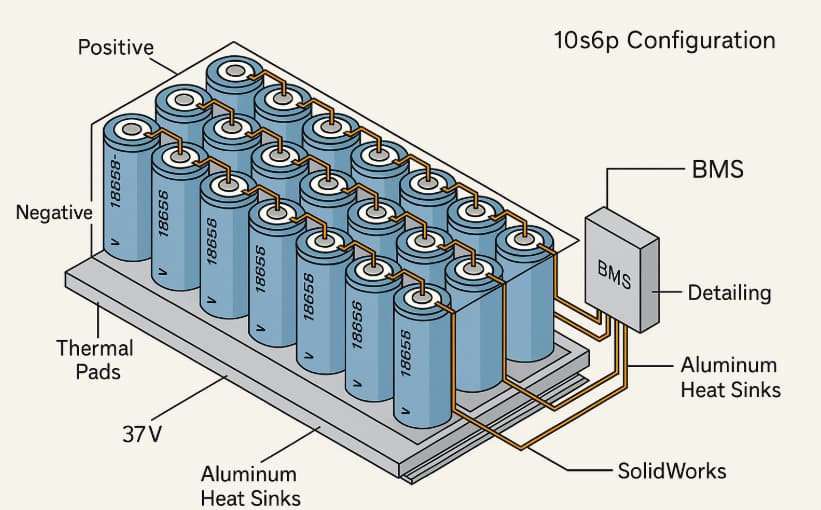
Conceptual schematic showing the configuration and components used in our custom 10s6p battery system.

Pivoting to an electric drivetrain, we engineered a modular battery system using bulk-ordered 18650 lithium-ion cells, selected for their high specific energy, thermal stability, and established performance in EV prototyping. Cells were arranged into 10s6p submodules, then connected in a series-parallel configuration to meet voltage and capacity targets while maintaining load balancing across the array.

Each submodule incorporated rudimentary BMS safeguards for overcurrent and undervoltage protection, ensuring baseline cell health and safety during charge/discharge cycles. The assembled packs were secured in a custom-fabricated compartment, outfitted with aluminum heat sinks and designed for passive airflow to manage thermal dissipation under load.

Electronics & Embedded Control

The drive system was centered around a brushless DC motor controlled by an Electronic Speed Controller (ESC). We wired an Arduino Uno to interpret analog throttle/brake inputs and translate them into PWM signals to the ESC, effectively turning pedal force into velocity control. Signal filtering was implemented to minimize jitter and ensure a smoother torque response. We also programmed regenerative braking logic into the system using C++ and basic PID tuning techniques.

Want to work with an engineer who builds, tests, and iterates from first principles?

Designed to showcase not just what I can build — but how I think, test, and iterate like an engineer in the field.
Back to
Projects ⬆︎

⚡️

🧪

🧹

Electrochemical Graphene Extraction

GRAPHITE-TO-GRAPHENE CONVERSION VIA ELECTROLYSIS

🔬 Materials Research
⚡ Electrochemical Synthesis
🧫 Nanomaterial Processing
🧹 SOP Documentation
🌀 Filtration Workflow
🌱 Sustainable Chemistry
While most students focused solely on coursework in first year, I proactively joined Kamkar Labs, a multiscale materials design lab specializing in sustainable nanomaterials.
Despite being a first-year undergraduate with no prior co-op experience, I was entrusted with independently synthesizing graphene via electrochemical exfoliation, a process essential to the lab’s work in electromagnetic shielding, fireproof composites, and graphene-based aerogels.

Electrolytic Graphene Production

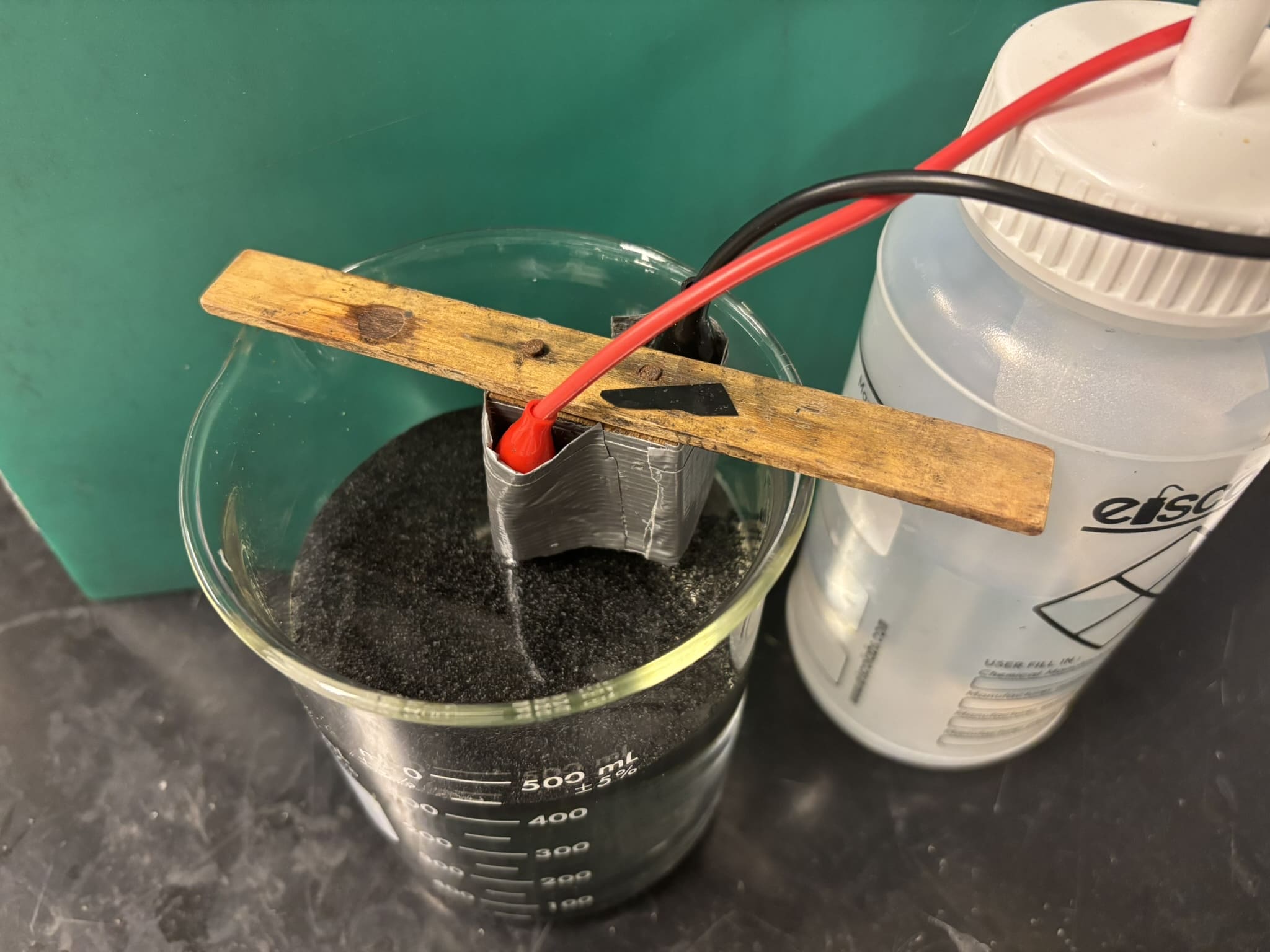
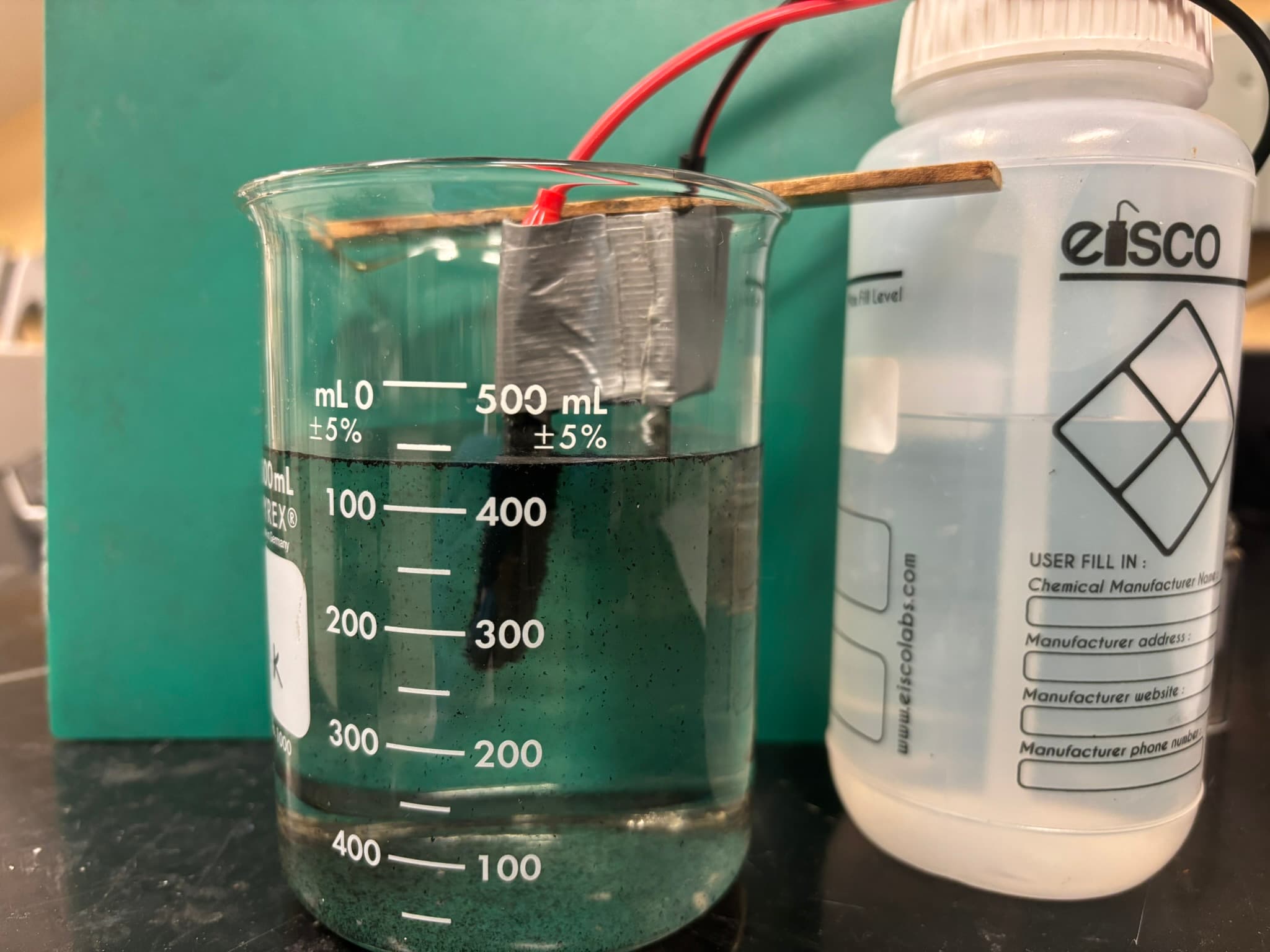
Using high-purity graphite rods as the anode and a platinum cathode in a stirred ammonium sulfate electrolyte, I executed controlled electrochemical exfoliation under DC voltage.
This wet lab technique created a colloidal suspension of carbon nanoflakes through a redox-driven process that gently separated graphene layers from bulk graphite. The method was efficient, low-temperature, and free from aggressive oxidants, making it ideal for environmentally conscious labs working on energy storage and thermal systems.

Purification & Nanoscale Filtration

After exfoliation, I implemented a repeatable nanomaterial processing workflow to isolate high-quality graphene. Using vacuum-assisted Büchner filtration and nanoscale membrane filters, I conducted multiple purification cycles to separate the graphene-rich solution from residuals.

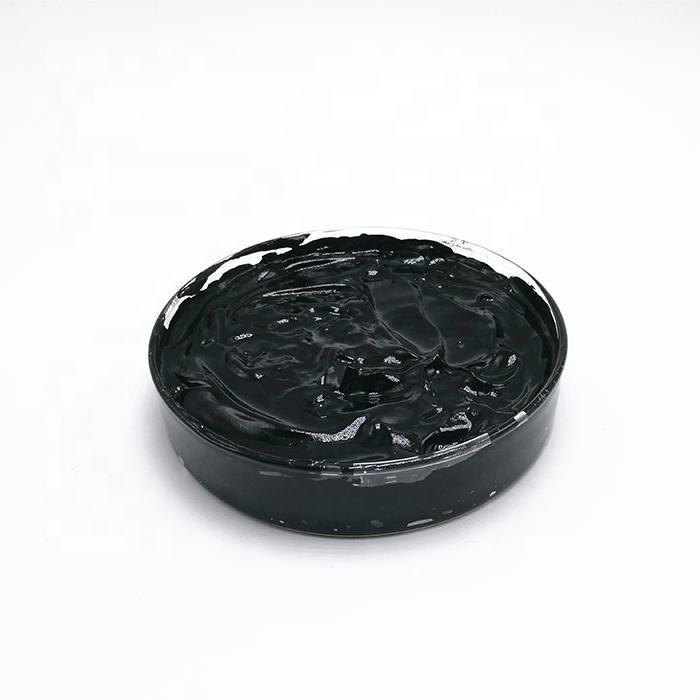
Sonication in deionized water further de-agglomerated the flakes and ensured even dispersion. The final product, a stable, conductive graphene paste — was integrated into several ongoing projects in the lab.
Straining graphene-rich solution through
Büchner funnel during vacuum filtration.

SOP Development & Onboarding Integration

Although I did not originate the base method, I took initiative to document and formalize the entire process. I created a step-by-step Standard Operating Procedure (SOP) and accompanying training video. Within a single semester, five incoming students and two co-op hires were trained using my materials, cutting onboarding time from 3 days to under 1.5. This systematization contributed to the lab’s ability to consistently produce graphene in-house, reducing external procurement reliance and ensuring quality reproducibility.

Want to work with an engineer who builds, tests, and iterates from first principles?

Designed to showcase not just what I can build — but how I think, test, and iterate like an engineer in the field.
Schematic of electrolysis-based graphene synthesis. Adapted from Sheibani et al., 2018 (ResearchGate).
Pre-electrolysis prep: ensuring even ion distribution in stirred ammonium sulfate solution.
Graphite and platinum electrodes submerged
and connected to voltage source.
Straining graphene-rich solution through
Büchner funnel during vacuum filtration.
Final graphene paste ready for integration
into downstream lab applications.
Nanoflake dispersion visible as black
suspension in solution during electrolysis
Back to
Projects ⬆︎

🧵

⚗️

🧬

🧠

3D-Printed Aerogels for Carbon Capture & Energy Storage

INDEPENDENT NANOMATERIALS R&D FOR FUNCTIONALIZED POROUS MEDIA

🧪 Materials Research
🧬Nanocomposite Formulation
🧊 Freeze-Drying Process
🖨 3D Printing
🌫 CO₂ Capture
⚡ Supercapacitor Integration
Driven by a personal passion for energy systems and sustainable nanomaterials, I independently launched a research project at Kamkar Labs to investigate the fabrication of high-performance hydrogels and aerogels. With minimal oversight and while still an undergraduate, I leveraged access to lab resources to prototype carbon-based porous structures for CO₂ sequestration and electrochemical energy storage.

This project centered around producing tunable, high-surface-area materials with controlled porosity and conductivity, bridging fields of materials chemistry, nanostructure engineering, and additive manufacturing.
GIF from Kamkar Lab, University of Waterloo. Used here for
educational and non-commercial portfolio display.
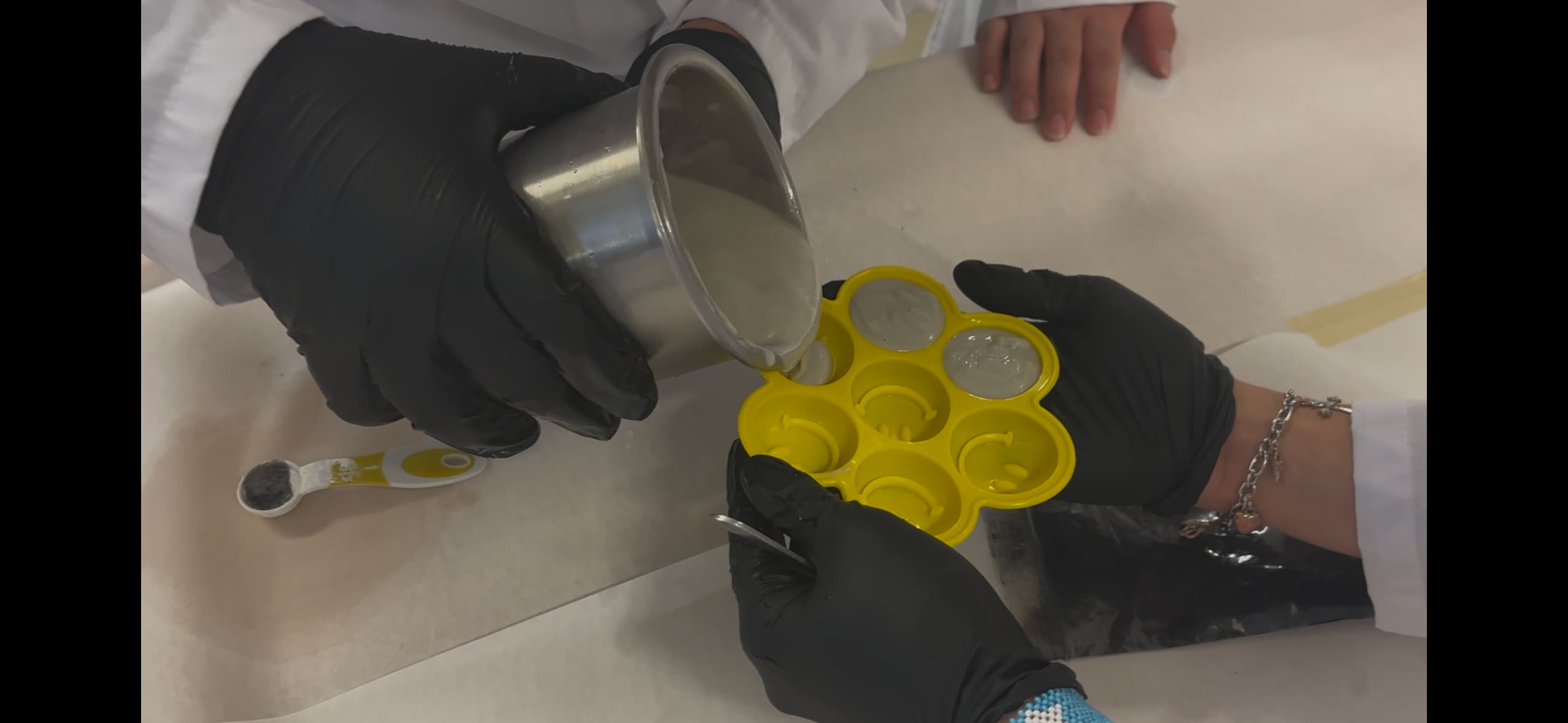
Weighing out dry cellulose powder
for initial aerogel precursor formulation,
first step in material synthesis.

Composite Formulation & Material Selection

I designed multi-phase gel precursors using biopolymer matrices such as cellulose and carbon nanotubes, selected for their sustainability, viscoelasticity, and structural integrity. To enhance conductivity and surface area, I doped the formulations with graphene and polyaniline — the latter chosen for its high pseudocapacitive activity and tunable redox behavior.

Each formulation was measured by weight percent, hydrated, and mixed using high-shear dispersion to ensure nanoscale homogeneity. This allowed me to manipulate pore size distribution, mechanical strength, and ion accessibility — variables critical to downstream performance in carbon sorption or charge storage.

Additive Manufacturing & Porosity Engineering

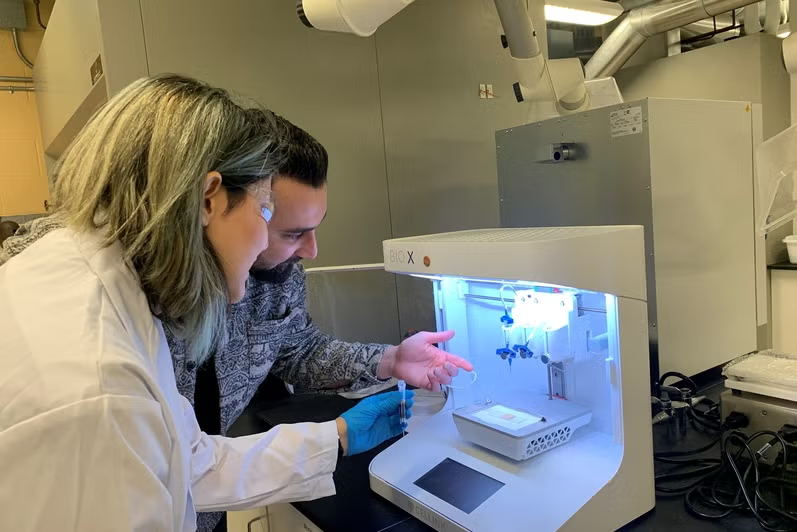
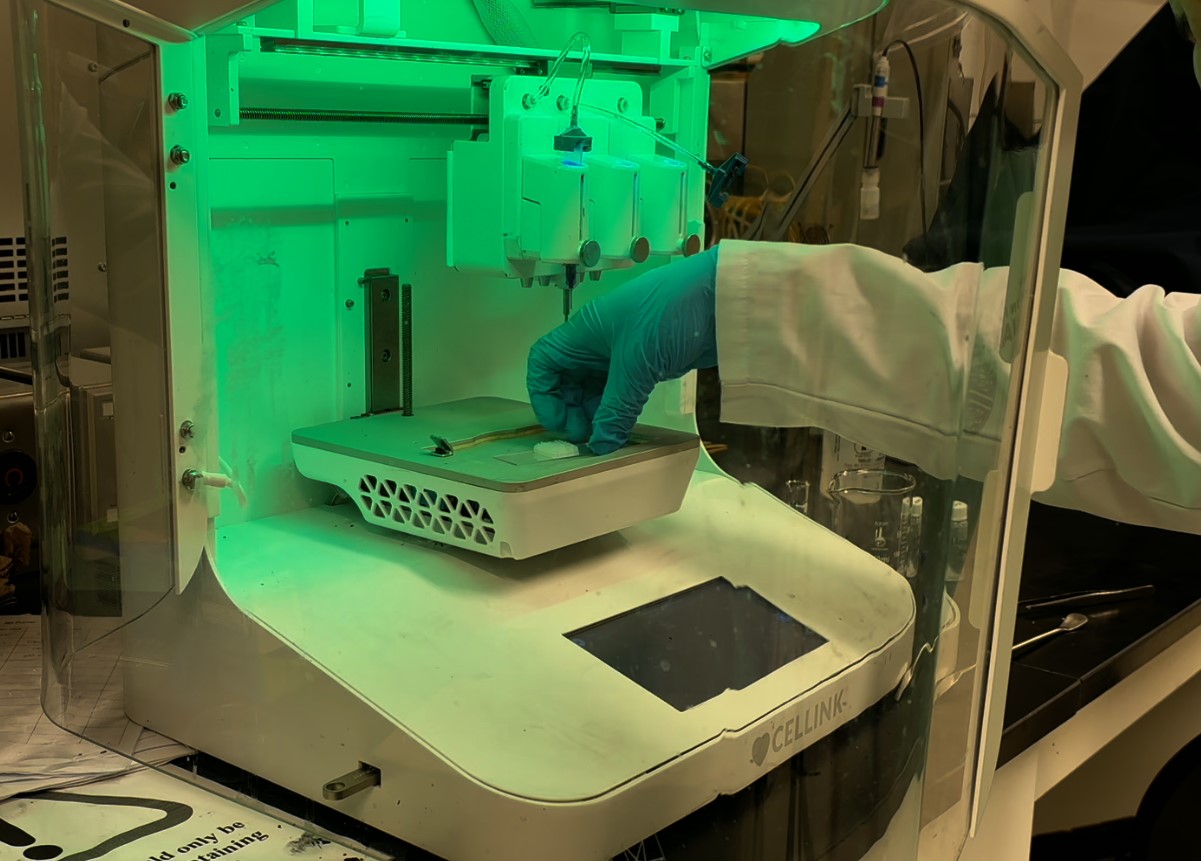
Using a Complex-3 hydrogel 3D printer, I fabricated custom-designed scaffolds tailored for freeze-drying compatibility. Structures included hexagonal lattices, gradient porosity blocks, and hierarchical honeycombs, each modeled to optimize gas diffusion kinetics and capillary-driven absorption post-drying.

Flash-freezing
the printed gels with dry ice preserved internal nanochannels, enabling clean sublimation of water via lyophilization. The resulting aerogels exhibited a sponge-like texture, ultralow density, and visible open-cell networks ideal for gas-solid interaction and rapid surface reactivity.

Functional Applications &
Experimental Outcomes

Carbon Capture:

I optimized microporous content and hydrophilic-hydrophobic balance to create aerogels capable of absorbing CO₂-rich vapor in ambient air. Passive uptake was measured visually and qualitatively using mass gain over exposure time. This formed the basis for a conceptual low-energy sequestration material.

Supercapacitor Integration:

I integrated graphene-doped aerogels into a basic electrode framework and worked alongside graduate researchers to conduct cyclic voltammetry (CV) testing. While preliminary, the results showed measurable capacitance, suggesting potential use as a flexible pseudocapacitive medium.

Outcomes, Skills & Broader Engineering Context

This self-directed project gave me practical experience in:
- Nanomaterials processing
- Porosity modulation & freeze-drying workflows
- Additive manufacturing of soft materials
- Structure–property relationships in electrochemical devices

It also taught me how to work with ambiguity — designing experiments from scratch, troubleshooting failure points, and iterating rapidly without institutional guidance. These are the same mindsets I bring into clean energy, electrode R&D, and cell architecture roles in the energy sector.

Want to work with an engineer who builds, tests, and iterates from first principles?

Designed to showcase not just what I can build — but how I think, test, and iterate like an engineer in the field.
Graphite and platinum electrodes submerged
and connected to voltage source.
Loading the prepared hydrogel ink into a syringe for
extrusion into the 3D printer — pre-print stage setup
Zoomed-in screen recording of hydrogel extrusion during
active 3D printing — honeycomb scaffold mid-print.
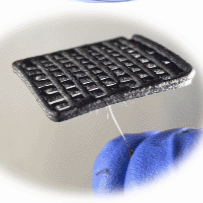
Sample final aerogel product post-freeze-drying — open-cell carbon
structure optimized for gas diffusion and surface conductivity.
Calibrating the Complex-3 3D printer and initiating the print sequence to build custom aerogel scaffolds.
Calibrating the Complex-3 3D printer and initiating the
print sequence to build custom aerogel scaffolds.
Nanoflake dispersion visible as black
suspension in solution during electrolysis
Back to
Projects ⬆︎

🧪

💧

🔥

🔧

🧲

🧱

Biocarbon Pellet Binders For Clean Steel

ADHESION, WETTING, AND FeO-HYBRID PERFORMANCE FOR LOW-CARBON STEEL

🧪 Materials Research
🧷Adhesion Testing
💧Contact Angle Analysis
🧱Hydraulic Press
🔥Thermal Curing
🐍 Python Image Processing
🌱 Clean Steel Decarbonization

🌍

Context and goal

At CanmetENERGY in the Metallurgical Fuels Research Group I evaluated binder systems to enable durable, moisture-resistant biocarbon pellets that can displace fossil nut coke in steelmaking. I assessed four organic bio-oils (Bio-oil 1–4) and FeO hybrid binders for adhesive strength, wettability, and thermal behavior to support industrial handling, curing, and transport, with an emphasis on decarbonization and process scalability.
Picture with the complex director at the annual CanmetEnergy
Ottawa Poster Competition

What I built and tested

- Designed a repeatable adhesion test matrix using a mechanical dolly pull-off protocol with controlled surface preparation, cure schedules, and replicates for statistical confidence.

- Implemented sessile-drop wettability using time-resolved contact angle analysis, plus Python workflows for video preprocessing, frame extraction, and batch measurement.

- Fabricated pellets by hydraulic press and thermal curing then prepared FeO hybrids across multiple loadings to probe binder–filler synergy and failure modes.

- Reviewed TGA weight-loss trends to define safe curing envelopes and reduce volatile loss during heating.
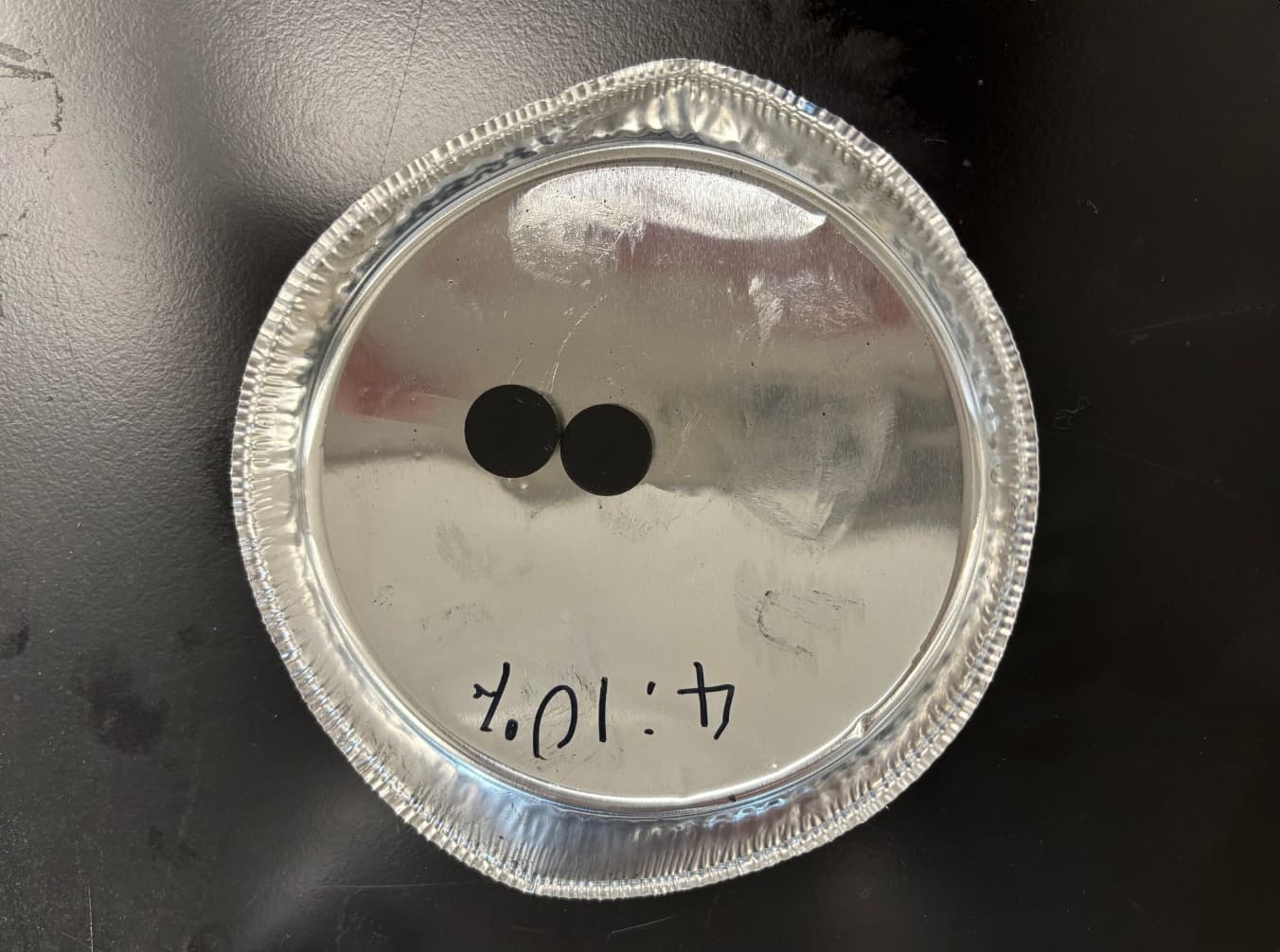
Final pellet samples using the inorganic binder

Adhesive strength testing

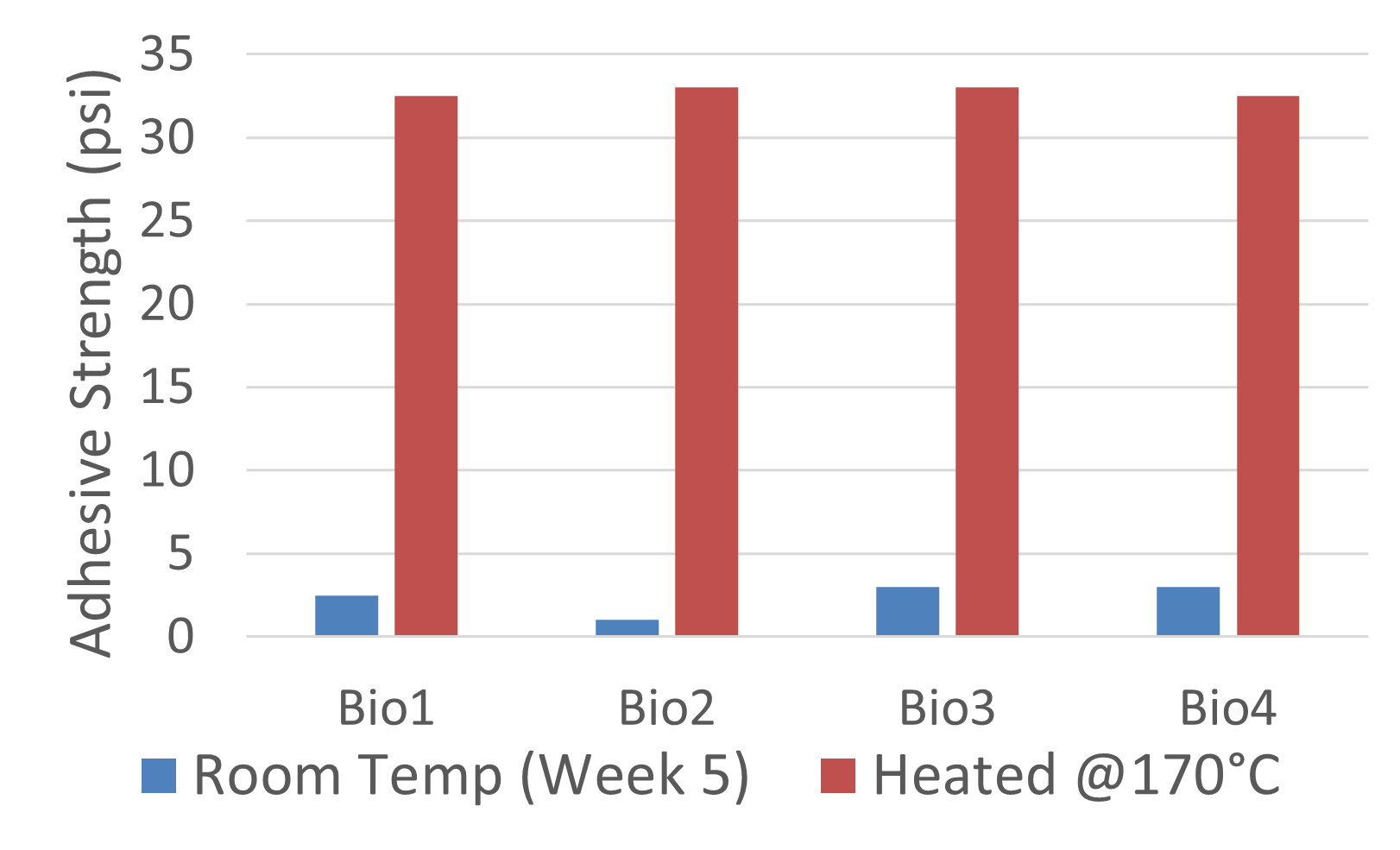
I ran three campaigns on Bio-oils 1–4 and on FeO hybrids: 1) room-temperature curing out to five weeks, 2) rapid curing at 170 °C for 1.5 h, 3) multi-temperature assessments at 70–200 °C. Heat exposure consistently produced a marked increase in adhesion, and FeO hybrids maintained strong bonding across the tested loading range. I logged adhesive versus cohesive failure, inspected pull surfaces for residue transfer, and captured photographic evidence for traceability.

Wettability and surface spreading

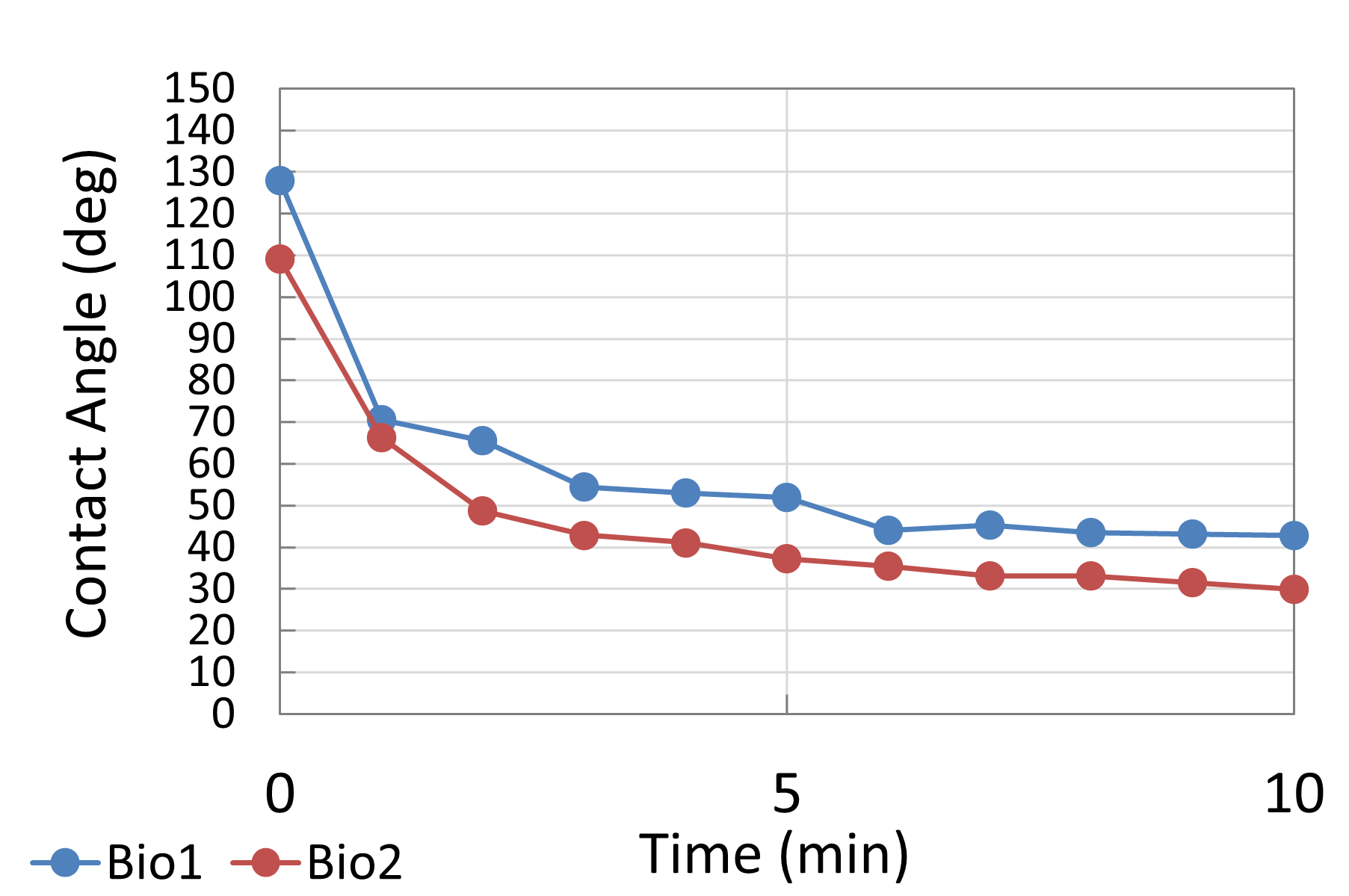
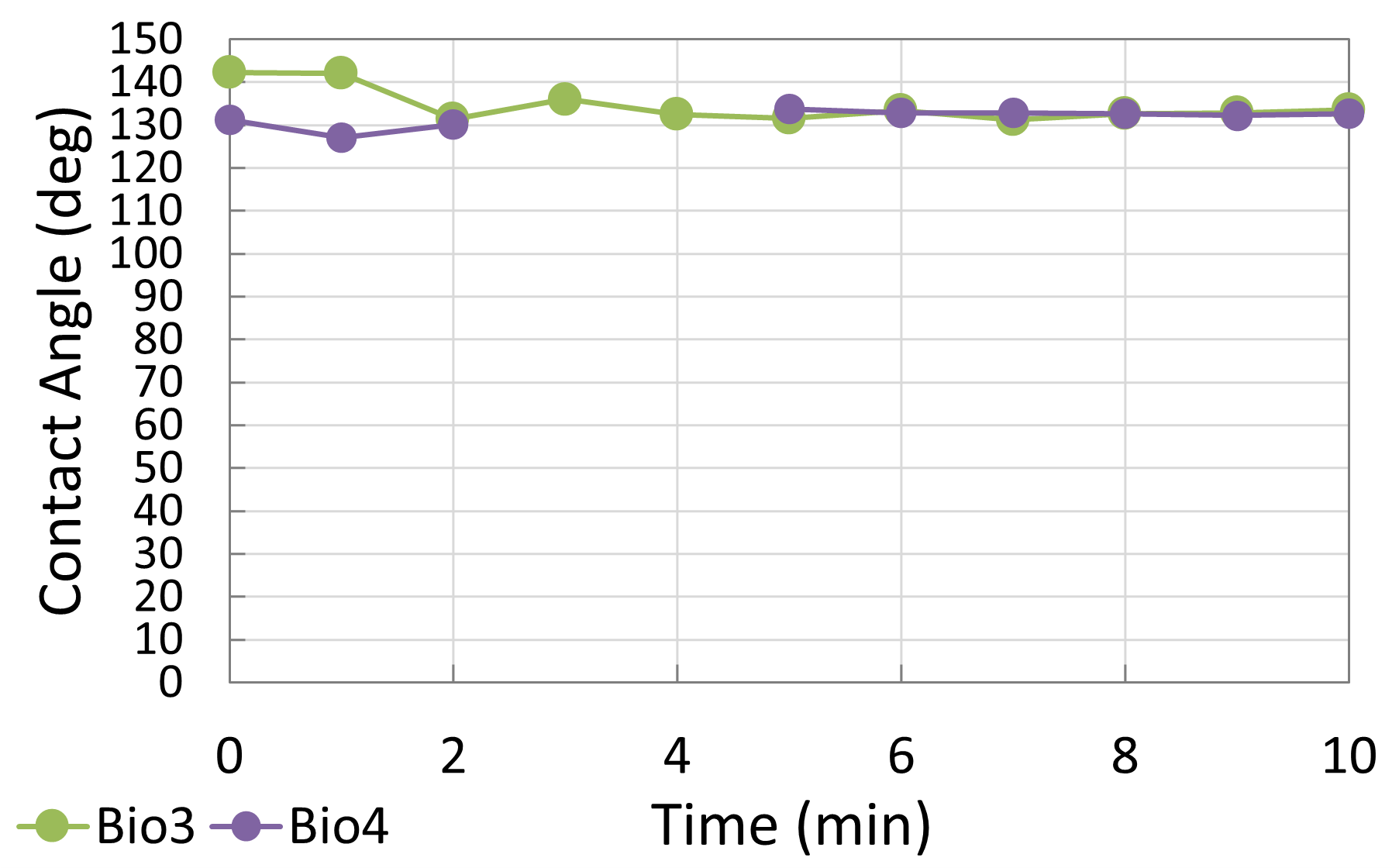
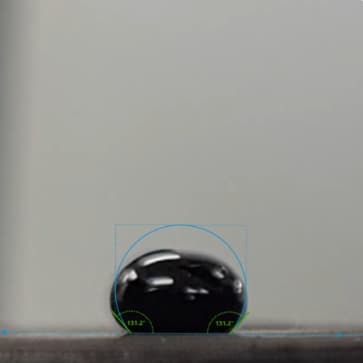
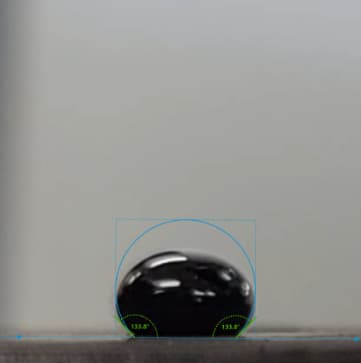
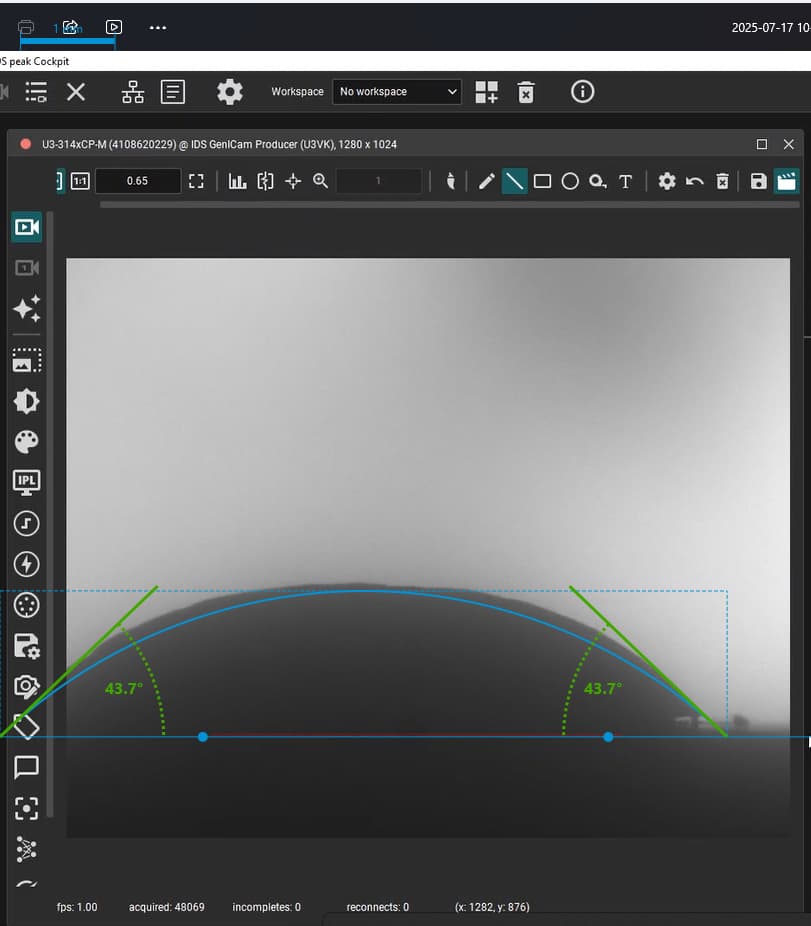
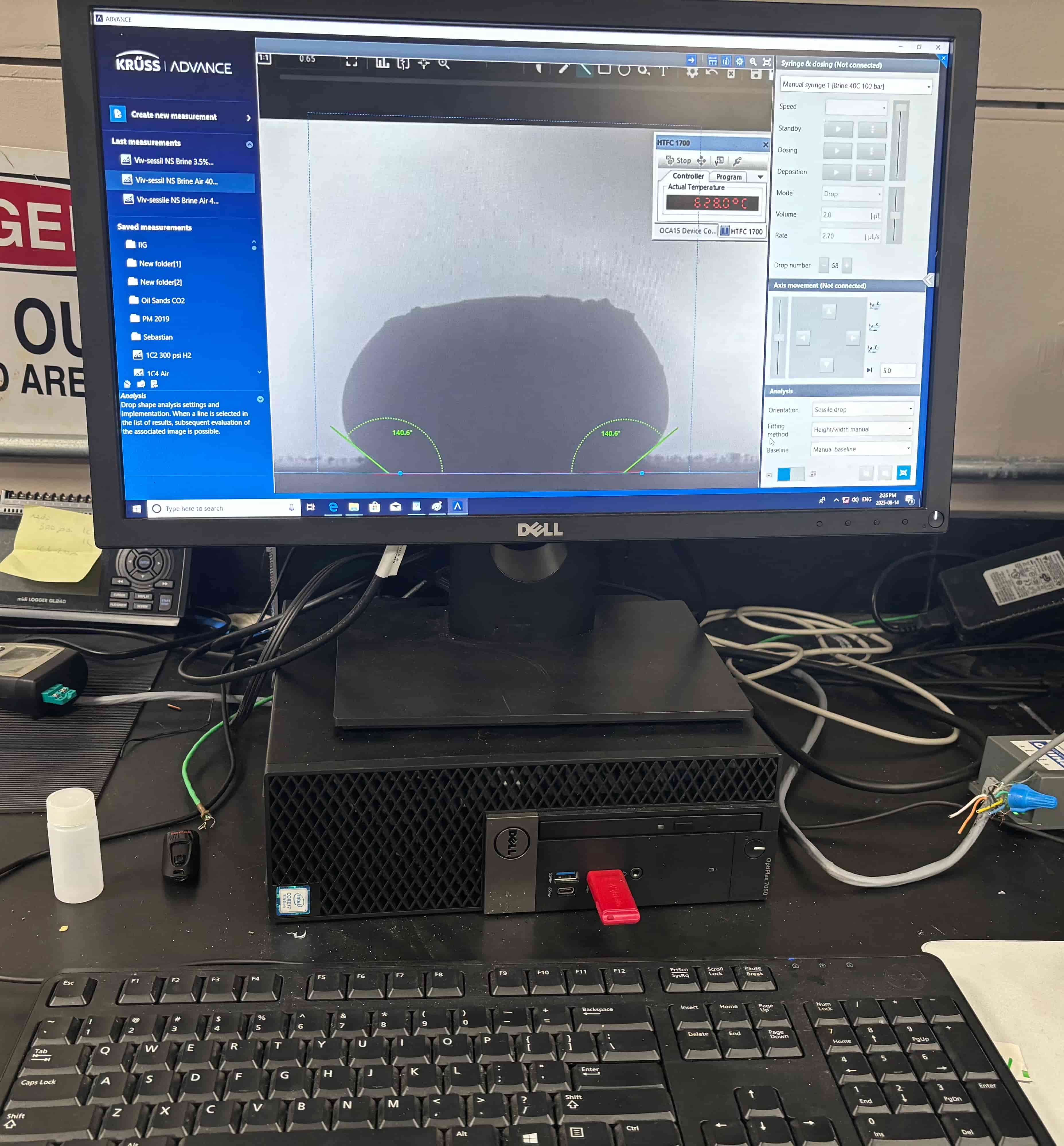
For each binder I captured 10-minute droplet videos and extracted contact angle versus time. The dataset separated candidates into rapid-spreading behavior and hydrophobic behavior. FeO hybrids showed time-dependent wetting that stabilized at low angles, supporting particle bridging and film formation. The workflow combined high-resolution capture, calibrated measurement, and automation for throughput.
Time-compressed sessile-drop sequence. Contact line advances
rapidly and the contact angle decays to a stable low value.

Representative contact-angle decay profiles for two Bio-oil candidates illustrating rapid versus moderate spreading.

Thermal behavior and curing window

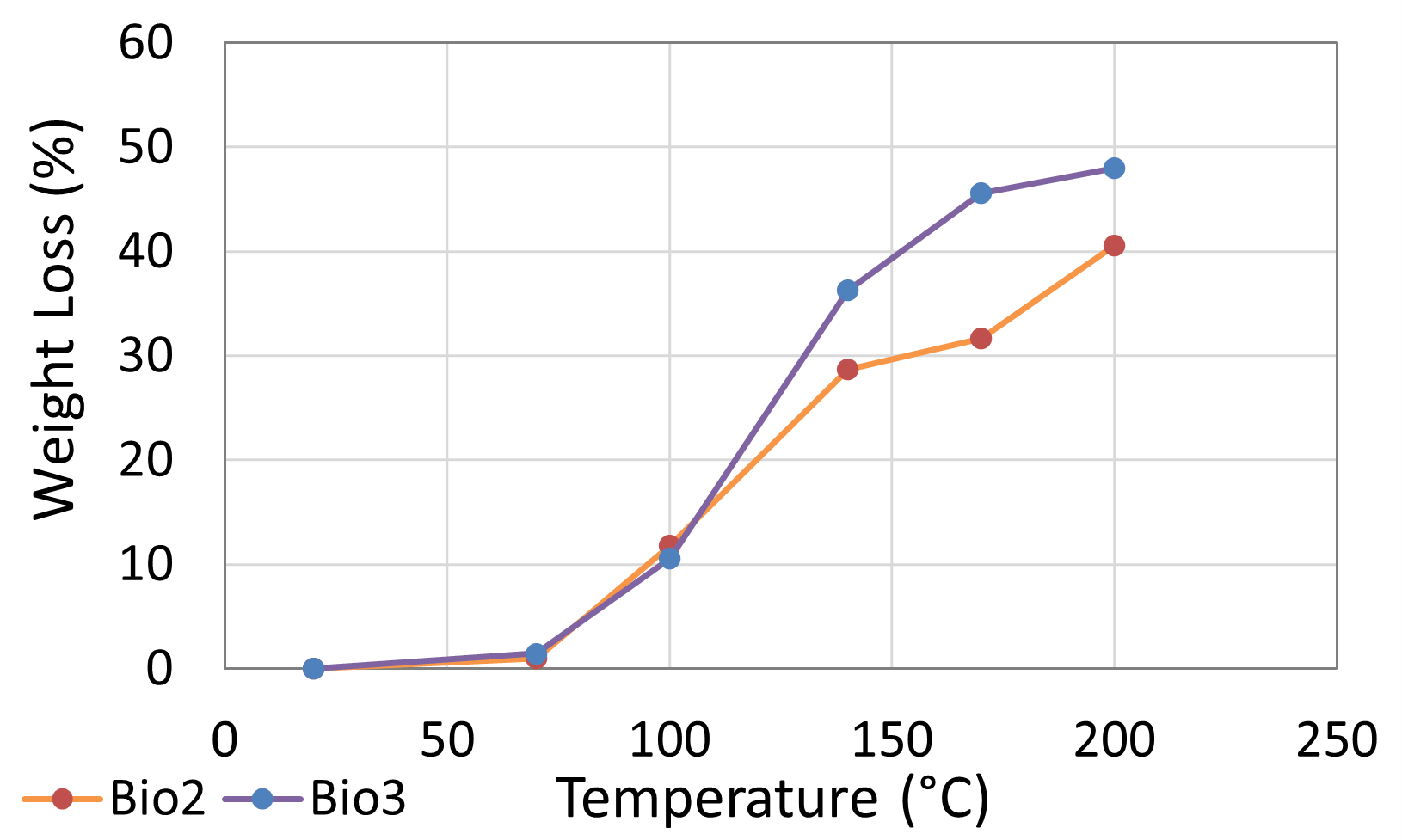
I reviewed TGA-derived weight-loss trends to understand volatility, thermal stability, and binder activation at processing temperatures. One candidate exhibited higher mass loss at elevated temperatures while another remained more stable, informing oven setpoints, ramp rates, and hold times that balance adhesion development with material retention.

Pellet fabrication and FeO hybrids

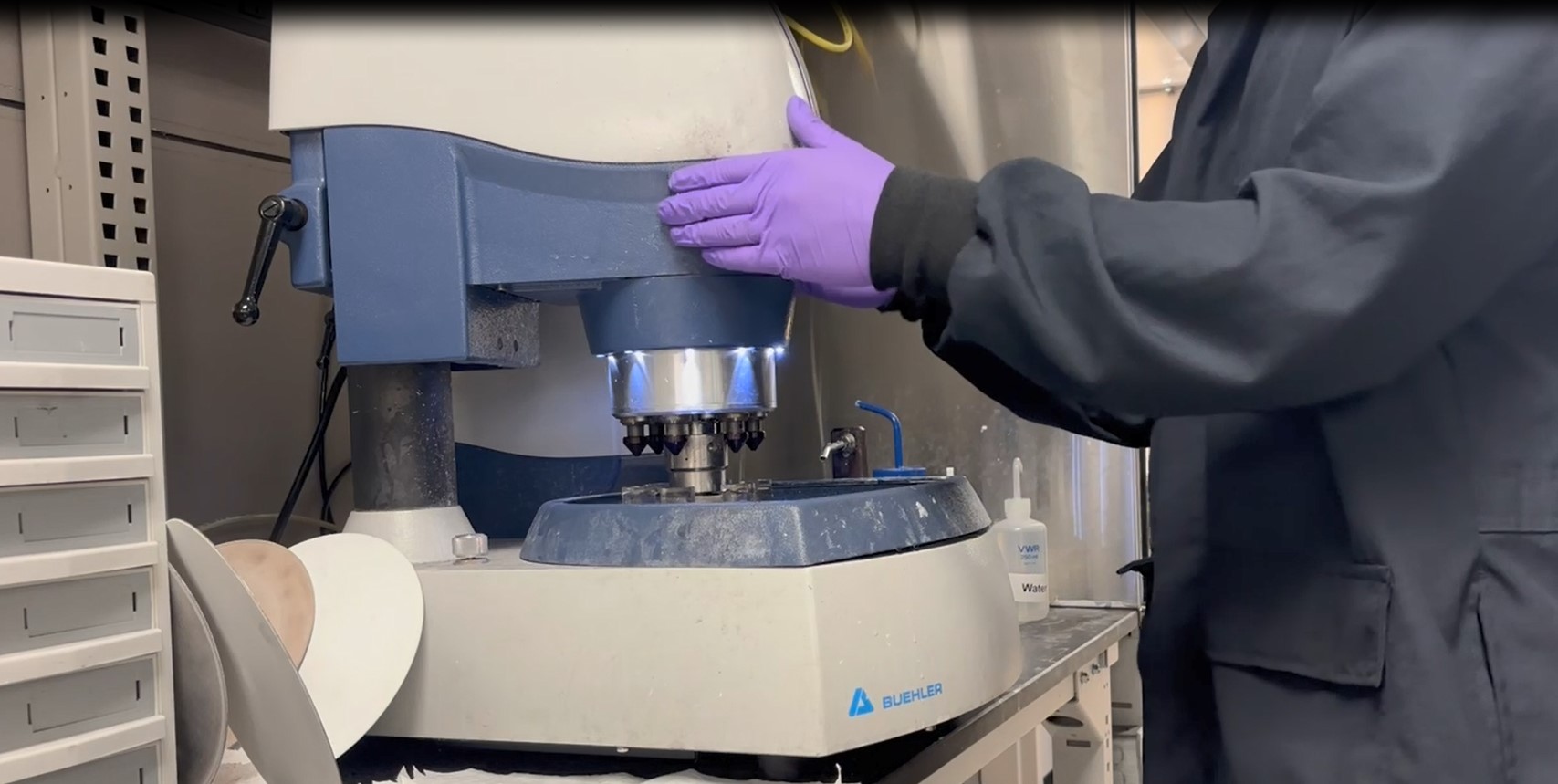
I pressed 0.7 g pellets at controlled pressure and cured at 140 °C for 1.5 h. Hybrids prepared by blending an organic Bio-oil with FeO from 10–40 percent maintained visual integrity after curing and were advanced for scale-up trials. I documented press settings, mass balance, and visual criteria to support roller-press translation and future compressive strength work.

Outcomes

- Thermal curing increased adhesion across Bio-oils 1–4 under controlled protocols.

- Wettability analysis distinguished rapid-spreading from hydrophobic behavior and validated time-dependent wetting for FeO hybrids.

- FeO hybrids preserved strong adhesion within the tested loading range and cured cleanly.

- The end-to-end workflow, including pressing, curing, adhesion metrics, contact-angle automation, and thermal review, is ready for roller-press scale-up and compressive testing.

Want to work with an engineer who builds, tests, and iterates from first principles?

Designed to showcase not just what I can build — but how I think, test, and iterate like an engineer in the field.
Post–dolly pull plates for FeO hybrids. Residual film and cohesive
failure
indicate robust interfacial adhesion at multiple FeO loadings.
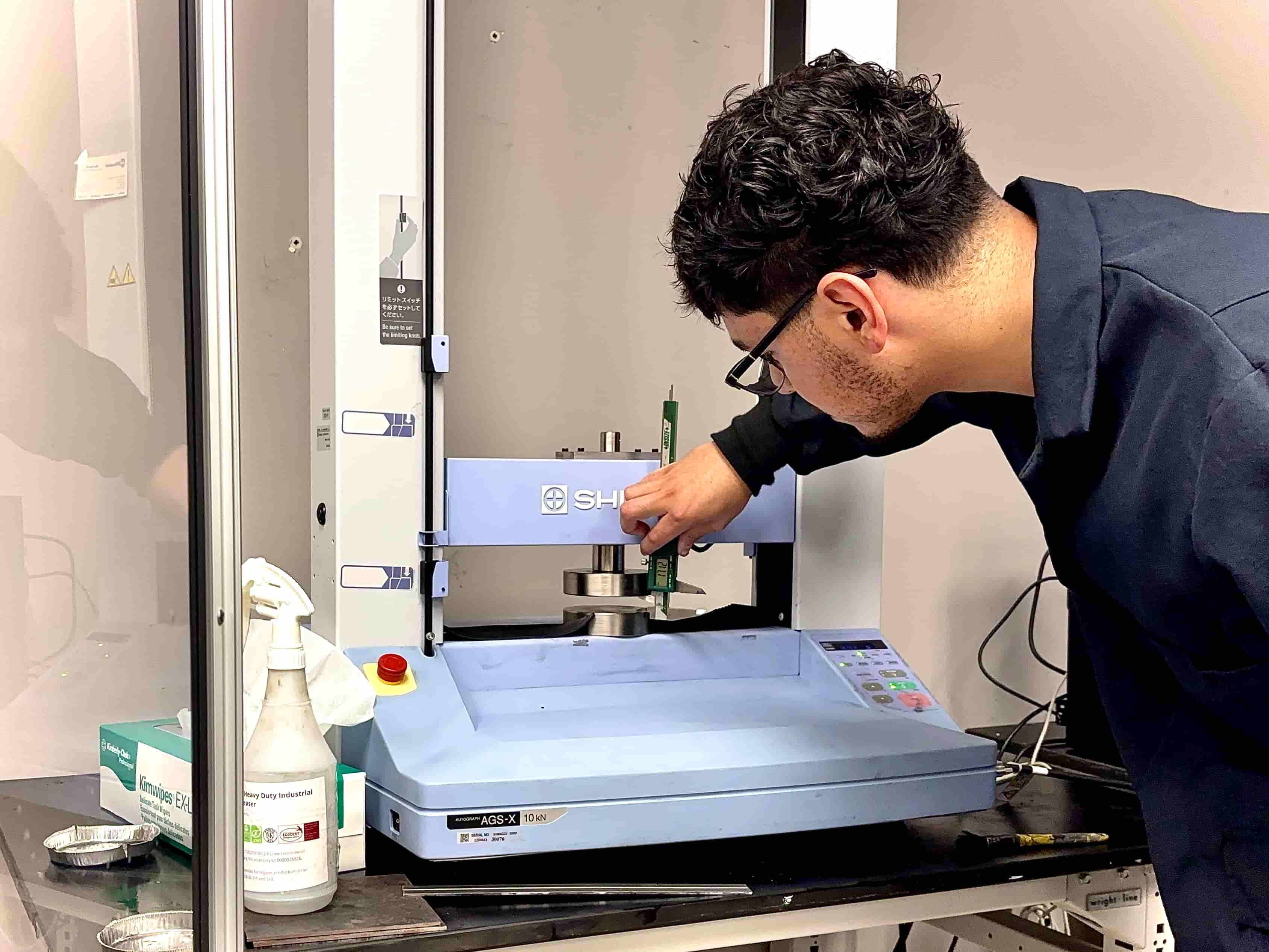
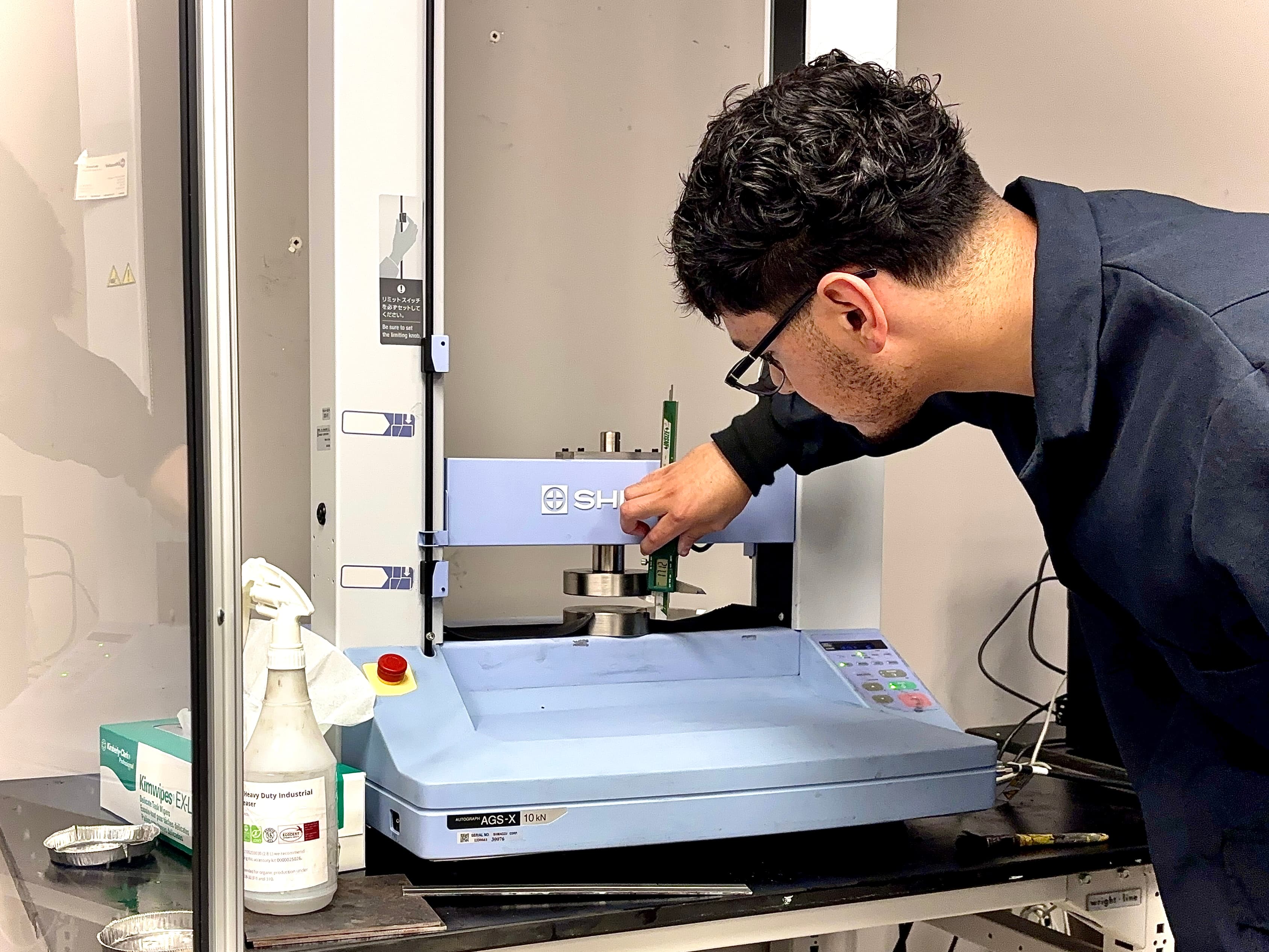
Operating a 10 kN universal testing machine. Compressive testing
of organic-binder pellets is planned for the next phase.
Representative weight-loss trends for two Bio-oil
candidates across a temperature gradient.
Representative trend showing higher pull-off strength after
thermal curing versus room-temperature aging for Bio-oils 1–4.
Back to
Projects ⬆︎

🔋

🎯

🛠️

📖

VSI Battery Module Design
Project

From CAD to Competition: Designing a Real-World EV Battery Module
⚡ Busbar Optimization
🖥️ SolidWorks CAD
🏗️ Design for Manufacturability
🌡️ Thermal Integration
🔩 Structural Assembly

Project Overview

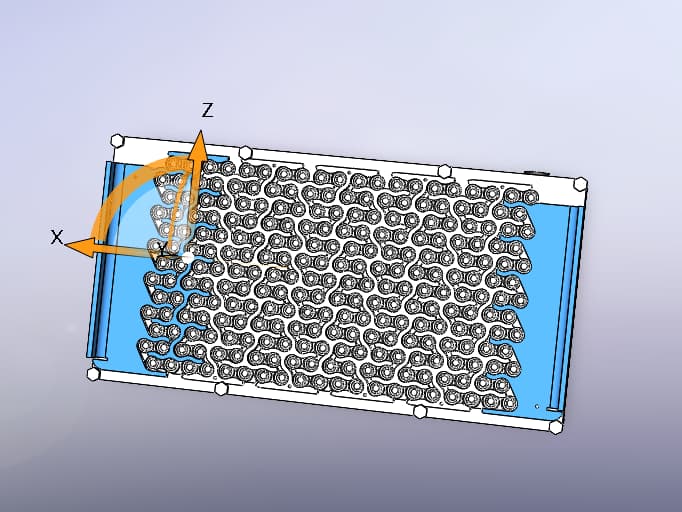
Close-up view of busbar placement within the
module for safe and reliable current flow.
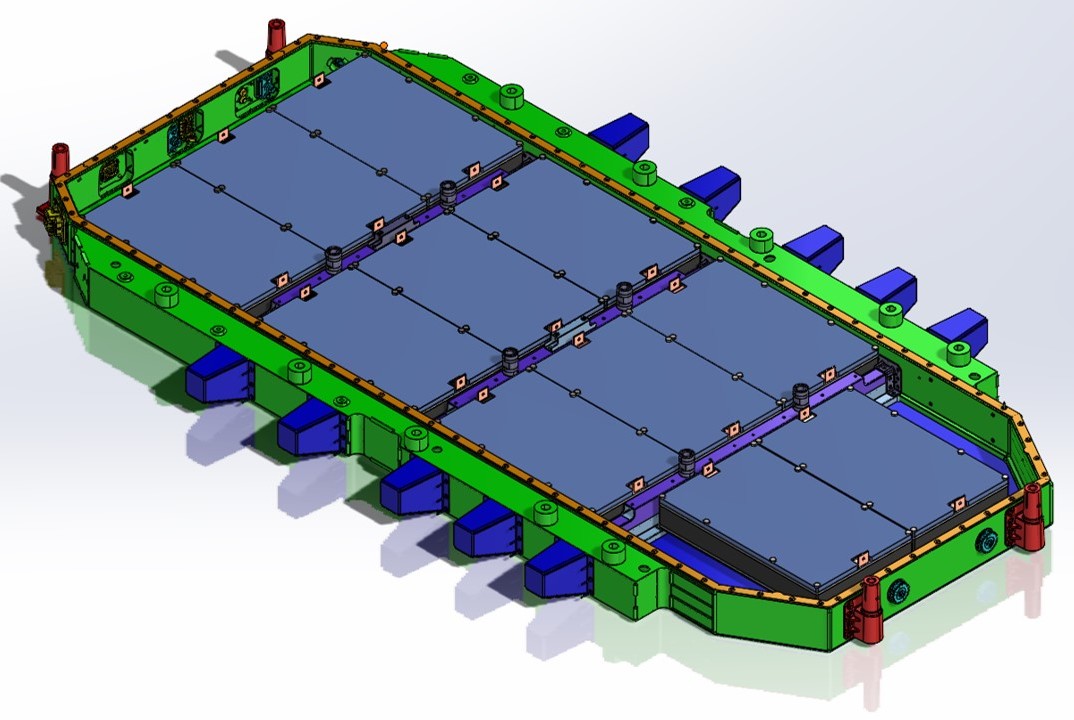
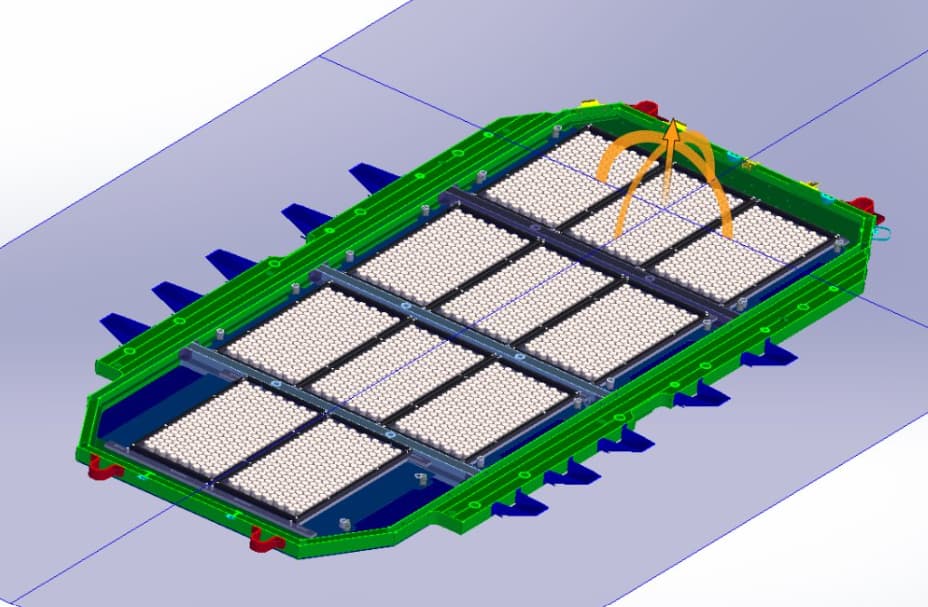
Position of the redesigned module within the full 11-module EV pack
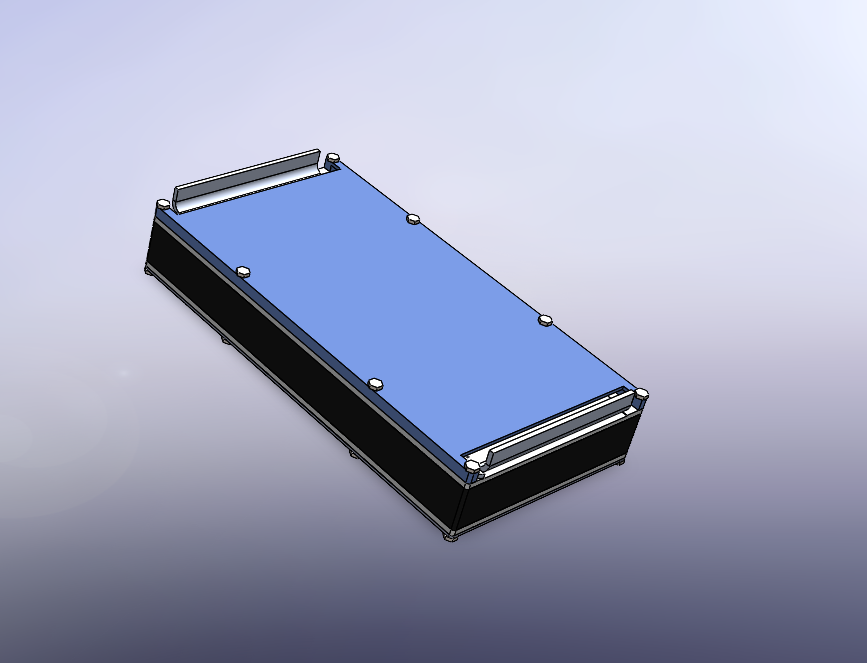
Final CAD render of the redesigned battery
module forming the foundation of the EV pack.
As part of the Vehicle System Integration (VSI) team in the Battery Workforce Challenge (BWC), I contributed directly to the design of the battery module that forms the foundation of the large 11-module pack for our competition EV. My focus centered on the busbar system, a critical component that connects cells electrically while ensuring safe, reliable current flow across the pack.

Working in SolidWorks CAD, I modified and optimized multiple aspects of the module busbars and their surrounding geometry to better align with real-world manufacturability. This involved refining designs originally drafted for competition documentation into forms that could realistically be printed, machined, and assembled without compromising structural integrity or electrical performance. By bridging the gap between a theoretical CAD model and a practical, buildable component, I ensured that our design could move seamlessly from digital concept to physical prototype.

This work reflects the essence of the VSI swimlane: ensuring that mechanical and electrical elements integrate into a cohesive, manufacturable, and competition-ready battery system.

Engineering to Win

The overarching objective of the Battery Workforce Challenge (BWC) is to design and prototype a safe, manufacturable, and high-performing EV battery pack that meets stringent automotive standards. Within this framework, the Vehicle System Integration (VSI) team is responsible for ensuring that every subsystem — modules, busbars, cooling, enclosures, and sensing — integrates into a cohesive design that could realistically transition from competition CAD to real-world production.
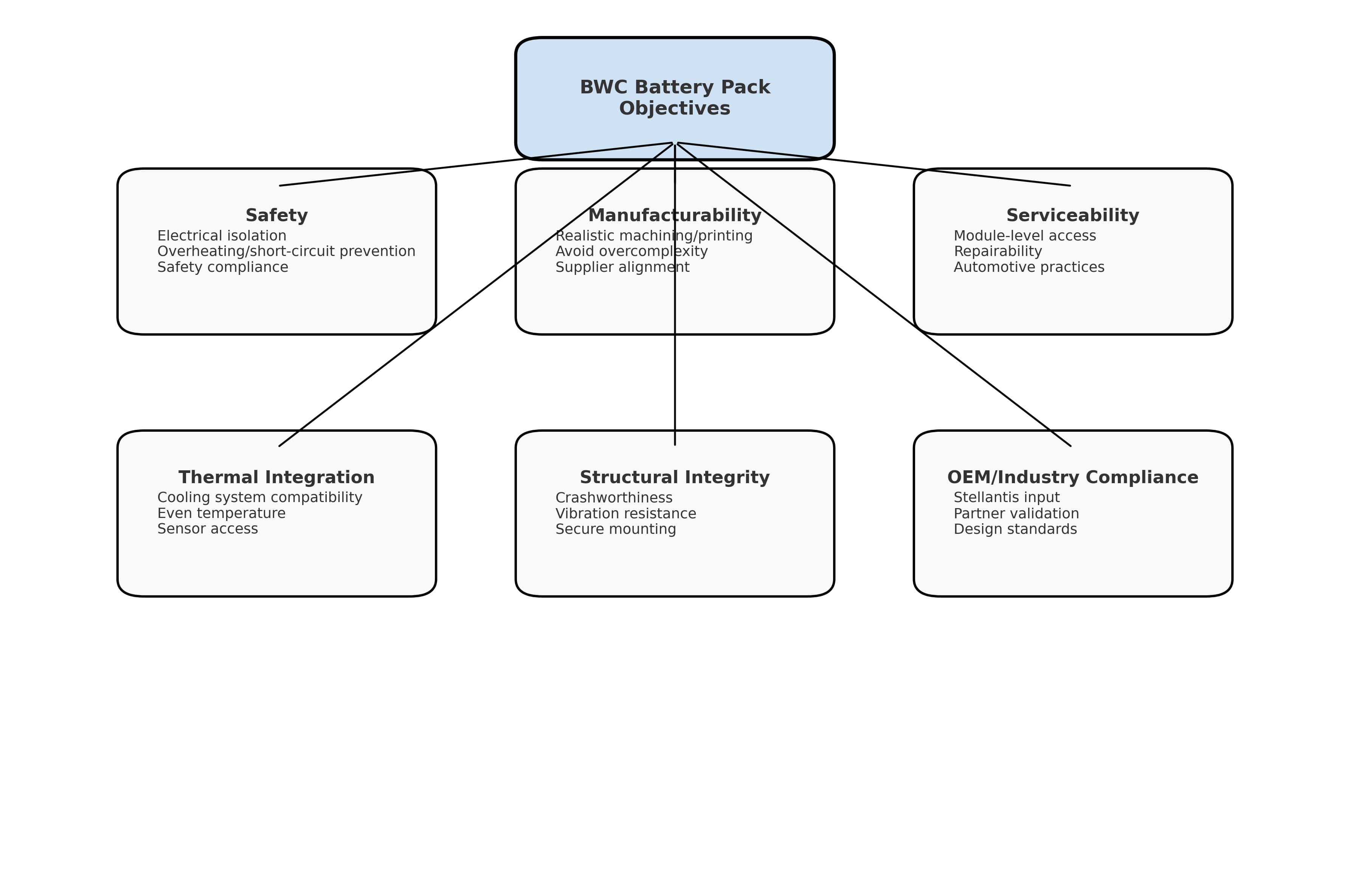
The module design effort I contributed to was guided by several key competition criteria:

Safety: Ensure electrical isolation, robust busbar connections, and effective thermal management to mitigate risks of overheating or short circuits.

Manufacturability: Develop parts and geometries that can be realistically produced with available machining and printing methods, avoiding over-complex or impractical features.

Serviceability: Enable module-level access and repairability to reflect automotive industry practices.

Thermal Integration: Ensure that modules are compatible with coolant and thermal sensing strategies, maintaining even temperature distribution across the pack.

Structural Integrity: Design for vibration, crash scenarios, and secure mounting of modules within the 11-module pack tray.

Compliance with OEM Input: Incorporate requirements from Stellantis and feedback from industry partners such as Dana to align with automotive engineering expectations.

Within this scope, my contributions included assisting in the design of the battery module and modifying existing parts to improve manufacturability. I focused on optimizing busbar geometry in SolidWorks CAD, ensuring that digital designs could be feasibly translated into physical prototypes. In addition, I studied relevant literature and industry standards on EV battery integration to better understand the trade-offs in thermal, electrical, and structural performance, which informed the alterations I made to the module design.
Competition objectives guiding the module design — safety, manufacturability,
serviceability, and compliance.

Redesigning the Building Blocks

My work in the Vehicle System Integration team centered on hands-on CAD design of the battery module that would form the building block of our 11-module EV pack. Working extensively in SolidWorks, I contributed to refining and altering the existing module file to make it both technically optimal and manufacturable.Cell Layout Optimization: I helped configure the placement of cells within the module to maximize voltage output and ensure consistent series/parallel groupings. This involved balancing electrical requirements with thermal spacing to reduce hotspots.

Busbar Design Adjustments: I modified and refined the busbar geometries to improve manufacturability and reduce complexity. My alterations ensured reliable electrical connections, proper clearances, and minimized resistance while making the parts suitable for machining and printing.

Thermal Considerations: Since the pack uses a cooling plate system as its thermal management strategy, I worked on aligning the module design with coolant flow needs. This included spacing cells to allow efficient heat transfer and ensuring sensor access points could detect abnormal conditions.

Structural Integration: I contributed to refining brackets, holders, and fastening points to secure the cells within the module and ensure proper mounting into the pack tray. These adjustments considered vibration, manufacturability, and serviceability.

End-to-End CAD Contribution: Beyond these specific areas, I assisted in reviewing and altering nearly every section of the module file. My contributions ensured that the module design evolved from a conceptual model into a practical component ready for integration into the large battery pack.

Through this process, I gained direct experience in balancing electrical, thermal, and mechanical requirements in a unified CAD design — the essence of vehicle system integration.
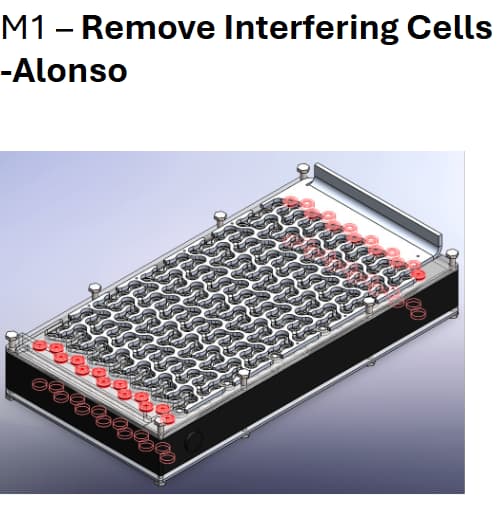
Design revision removing interfering cells to improve manufacturability and clearances.
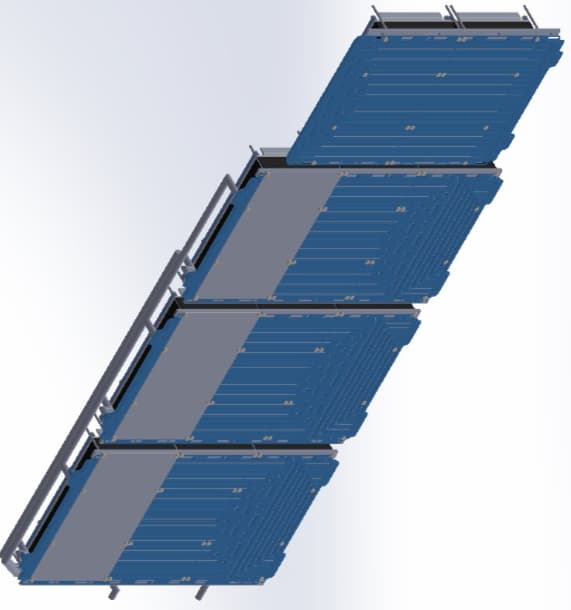
Thermal management system with top and bottom cooling plates aligned to module geometry.
Design revision removing interfering cells to improve
manufacturability and clearances.
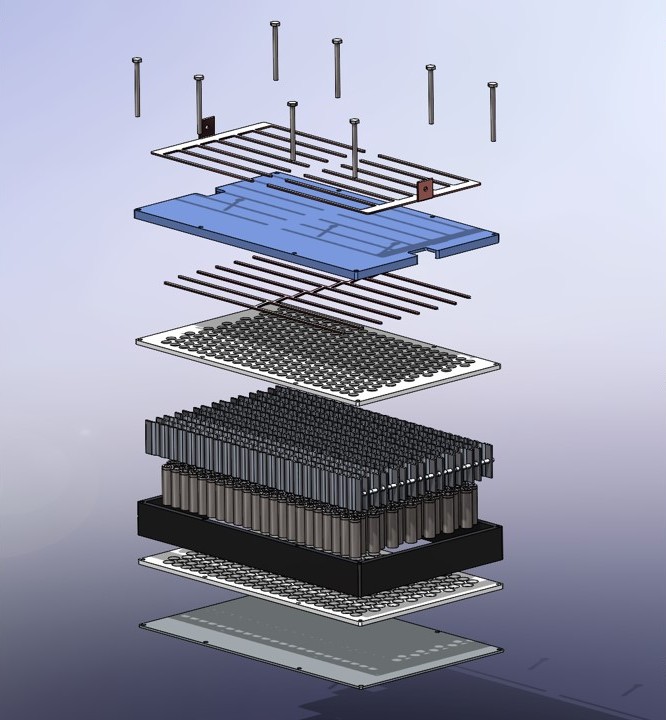
Exploded CAD view showing busbars, cells, cooling plate, and
structural layers of the module.

CAD Meets Simulation

💻

For the design and refinement of the battery module, we worked primarily in SolidWorks and AutoCAD to model and modify every aspect of the geometry, from cell holders to busbar layouts. These platforms allowed us to translate conceptual designs into manufacturable 3D models and detailed engineering drawings.

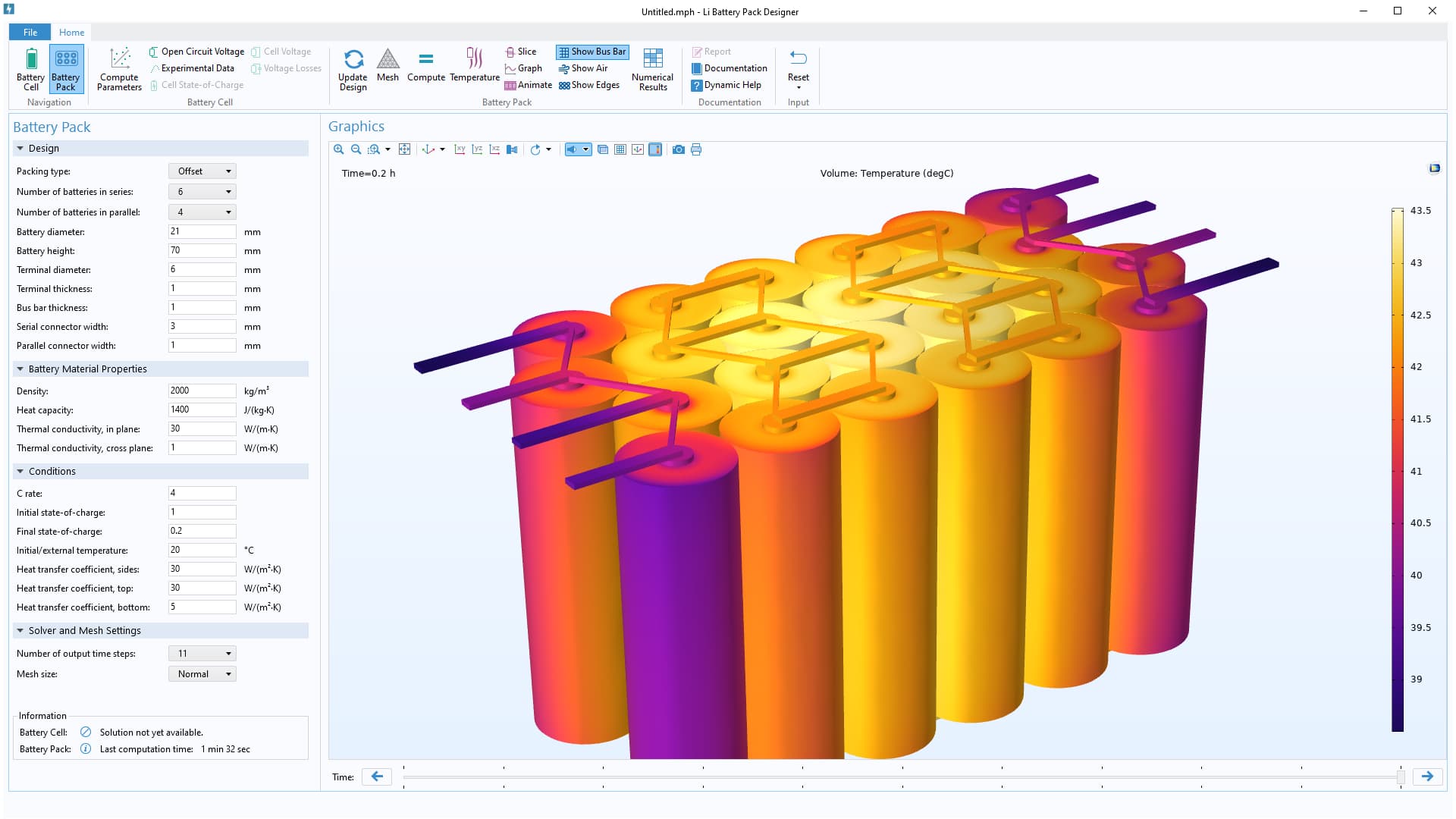
To validate the designs, the team also prepared and explored simulations using COMSOL (for multiphysics and thermal analysis), ANSYS (for structural and thermal validation), and Star-CCM+ (for potential CFD-based cooling studies). These tools enabled us to assess the effects of heat transfer, stress distribution, and fluid flow within the module and pack environment. Together, the combination of CAD modeling and simulation workflows ensured that our design decisions were both practically manufacturable and performance-validated.
Example of COMSOL thermal simulation showing heat distribution across cell groups and busbars.

Fixing Flaws, Finding Solutions

Designing a battery module for integration into an EV pack brought a series of technical and practical challenges that required iterative problem-solving.Reworking Previous CAD Errors: Several of the existing module files created by earlier students contained geometry issues and unrealistic design features. I had to carefully revise these models, correcting dimensional mismatches and overcomplicated parts to ensure they could be realistically printed or machined.

Manufacturability Constraints: Mentor meeting notes highlighted manufacturability as a recurring concern — from rivnut and fastener placement to bracket designs and plastic vs. metal sheet choices. In practice, this meant simplifying parts without sacrificing strength or electrical performance. I repeatedly adjusted the CAD features to align with what industry suppliers and machinists could actually produce.

Thermal Management Integration: Because our system relied on a cooling plate, ensuring proper alignment between cell placement, busbars, and coolant flow was a challenge. I made edits to spacing and clearances in the CAD to balance thermal transfer needs with structural integrity and electrical routing.

Cross-Team Alignment: Cell sensing and thermal monitoring strategies meant that the mechanical design had to leave room for sensors and harnesses. This required ongoing adjustments to ensure that the mechanical layout worked seamlessly with the electrical swimlane.

Iterative Feedback Loops: Weekly mentor meetings raised new concerns about material selection, repairability, and mounting strategies. Incorporating this feedback into the CAD required multiple revisions and a willingness to pivot when new constraints emerged.

Through these challenges, I learned the importance of balancing manufacturability, thermal safety, and structural robustness in a single design while maintaining alignment with industry standards.
Intermediate CAD stage showing corrected spacing
and improved cell arrangement in the pack.

From Module to Pack Impact

🏆

The work I carried out on the battery module directly advanced the Vehicle System Integration team’s progress toward delivering a manufacturable and competition-ready EV battery pack. By reworking flawed legacy CAD files, I ensured that the module design was accurate, practical, and ready for downstream manufacturing. My contributions to busbar optimization and cell layout improved both the electrical performance (ensuring the desired voltage output) and the thermal integration (ensuring compatibility with the cooling plate system).

The refinements I made also improved serviceability and assembly feasibility, ensuring that modules could be secured into the pack tray using practical fasteners while leaving space for sensor integration and wiring harnesses. Together, these adjustments helped the VSI team bridge the gap between conceptual CAD design and a real-world manufacturable module.

Ultimately, my work contributed to positioning the team for success in the BWC competition by strengthening the technical foundation of the module that will serve as the building block of the full 11-module pack. Beyond the immediate competition, these contributions reflect the skills most relevant to modern EV engineering: practical CAD design, cross-disciplinary integration, and the ability to iterate quickly under real-world constraints.
Final render of the competition-ready module — manufacturable,
serviceable, and integrated into the EV pack.
Comparison of thermal management layouts
(top vs. bottom cooling plate views).

Want to work with an engineer who builds, tests, and iterates from first principles?

Designed to showcase not just what I can build — but how I think, test, and iterate like an engineer in the field.
Back to
Projects ⬆︎

📹

🧪

🌡️

♻️

🧩

🔬

💡

Direct Carbon Fuel Cell (DCFC) Wettability Study

Exploring Molten Electrolytes and Carbon Interfaces at 900 °C
🔥 High-Temp Fuel Cell Testing
🧪 Electrolyte–Carbon Interfaces
📹 Python Video Processing
📊 Contact Angle Analysis
🔋 Fuel Cell Optimization

From Methane to Clean Power

This project was launched under CanmetENERGY’s efforts to repurpose natural gas through thermal cracking, turning harmful methane emissions into useful carbon and hydrogen streams. Instead of releasing these byproducts, the process captures their value through two parallel pathways. The solid carbon is directed into a Direct Carbon Fuel Cell (DCFC), where it generates electricity while producing a pure, sequesterable CO₂ stream. In parallel, the liberated hydrogen is purified and used in hydrogen fuel cells, supporting both clean power generation and the hydrogen economy.

By linking these pathways, the project demonstrates how thermal cracking can become a cornerstone of decarbonization: carbon transformed into controlled energy output, hydrogen into a versatile clean fuel, and both working together to lower emissions while improving energy efficiency.
Hydraulic press used to compact electrolyte
powders into pellets for furnace testing.

Engineering Objectives

This project was designed with three primary technical goals:

- Carbon–Electrolyte Optimization – Identify the most effective pairing of carbon feedstock and electrolyte materials to maximize electrode–electrolyte contact and reaction efficiency at operating temperatures approaching 800 °C.

- Continuous Fuel Delivery – Develop strategies to continuously feed solid carbon fuel into the DCFC, overcoming challenges in maintaining consistent carbon contact during sustained operation.

- Cell Stacking for Voltage Output – Explore methods to stack multiple single cells into a modular unit to increase voltage output, while testing material durability and interfacial stability under repeated cycling.

Within this broader scope, my focus centered on carbon–electrolyte optimization. I conducted wettability experiments to evaluate how different carbon materials interact with molten electrolytes, aiming to identify pairings that promote maximum surface contact and stable reaction kinetics. My personal learning goal was to deepen my understanding of fuel cell chemistry, particularly electrolyte behavior and its role in ionic conduction.

Simulating Fuel Cell Conditions

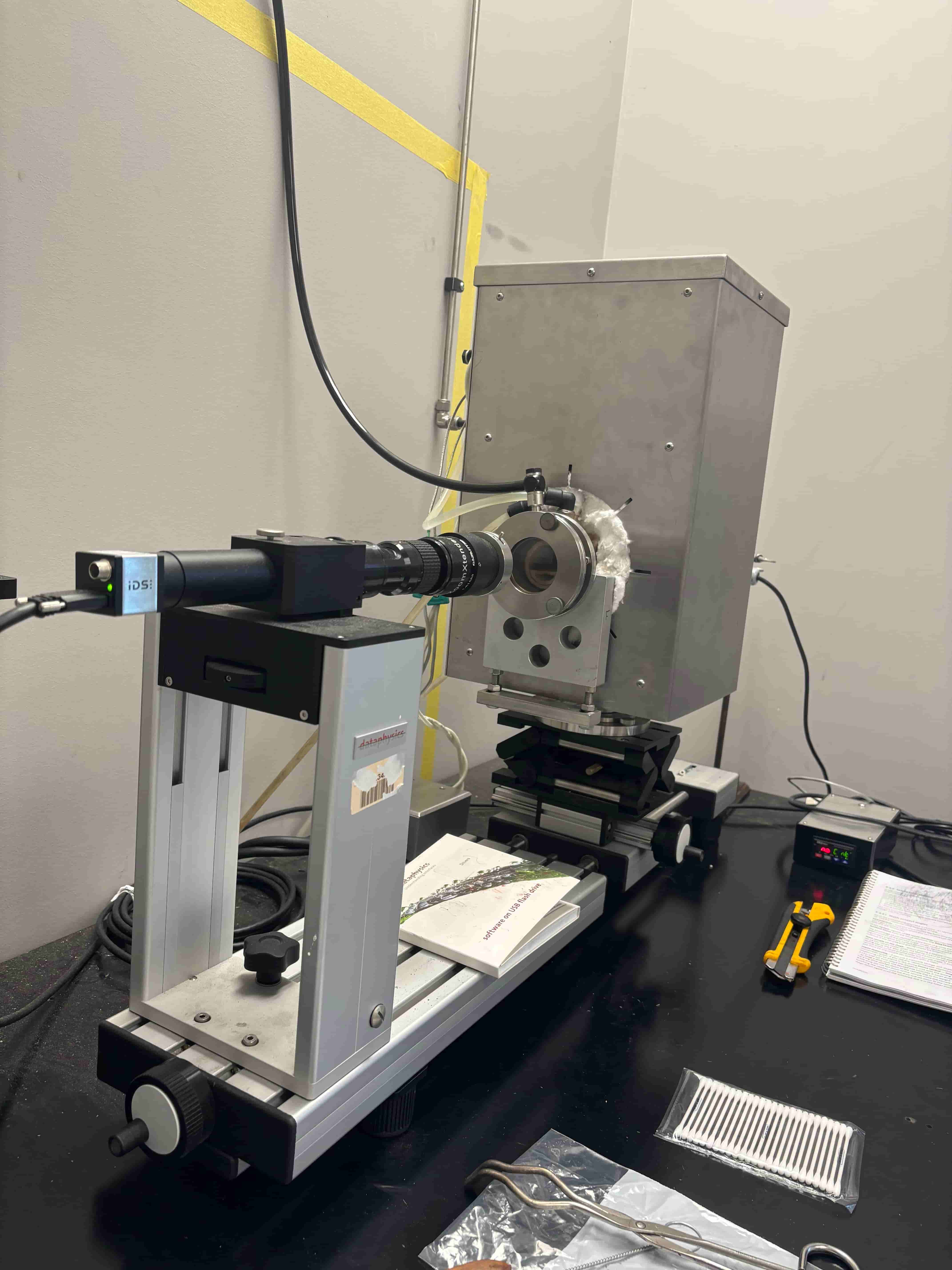
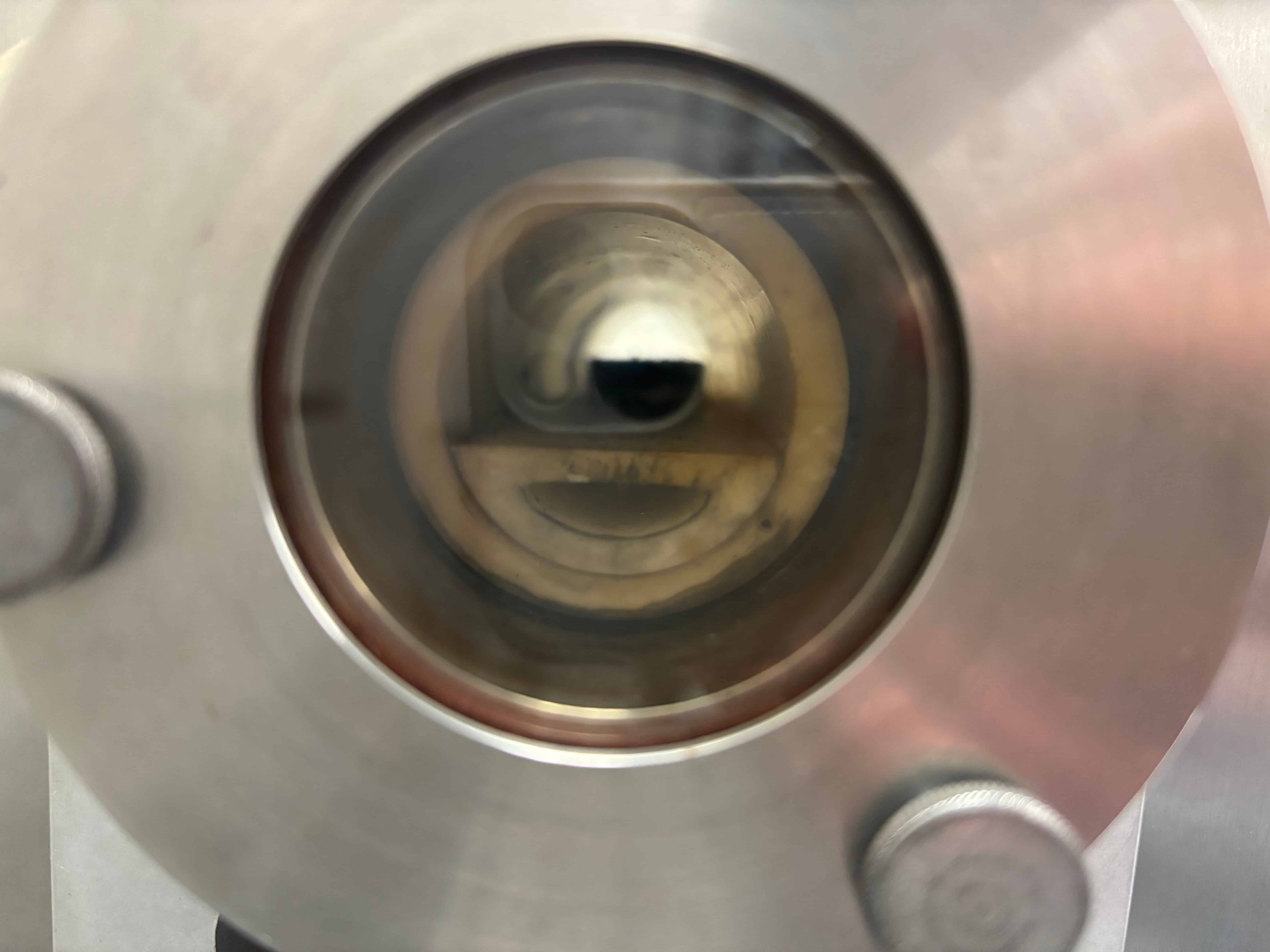
To simulate the extreme operating conditions of a Direct Carbon Fuel Cell (DCFC), we employed a specialized tensiometer system developed at Natural Resources Canada. This instrument functions as a high-temperature tube furnace, capable of reaching up to 1500 °C, making it well-suited for reproducing the molten electrolyte environment of a working DCFC.

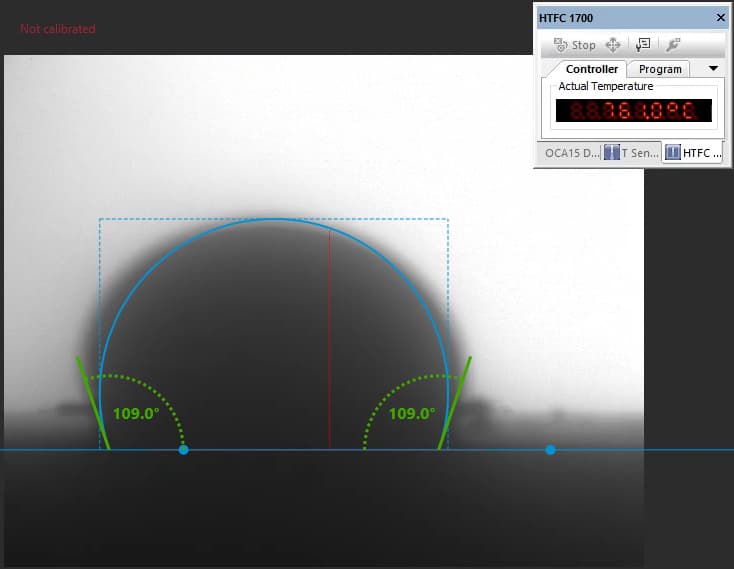
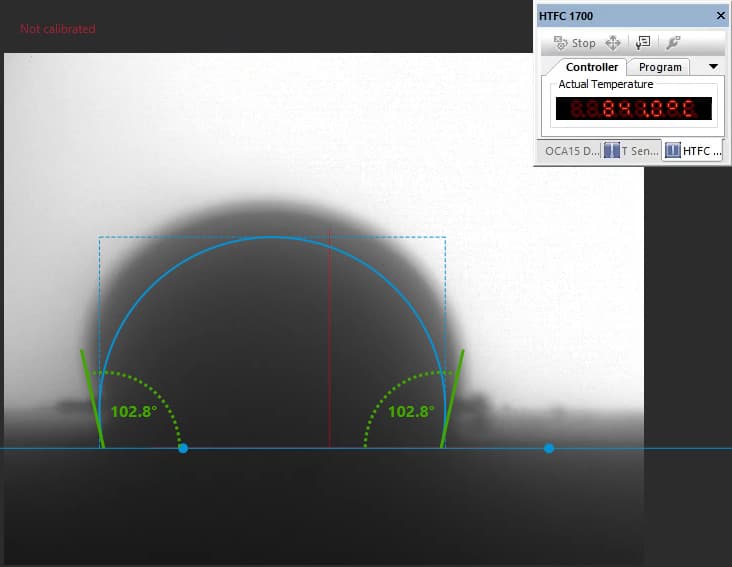
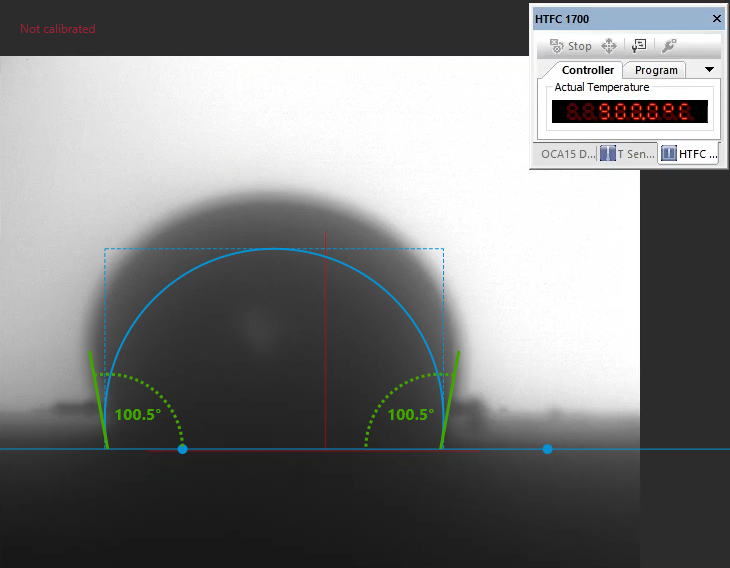
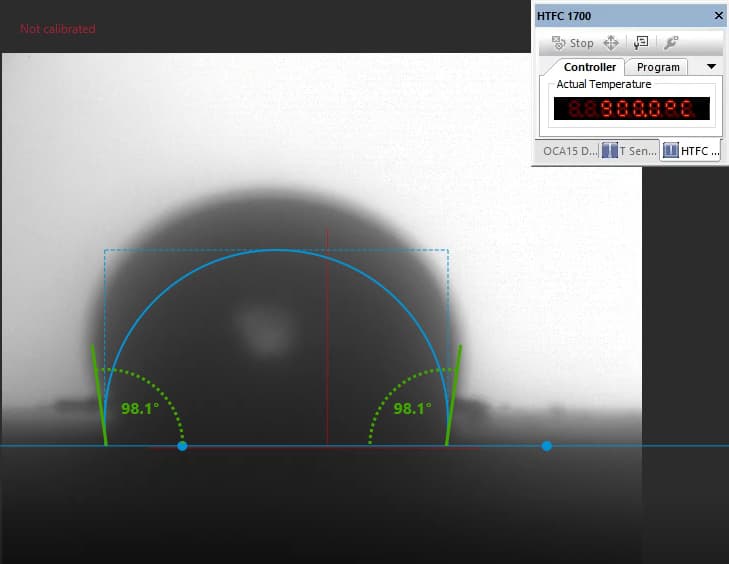
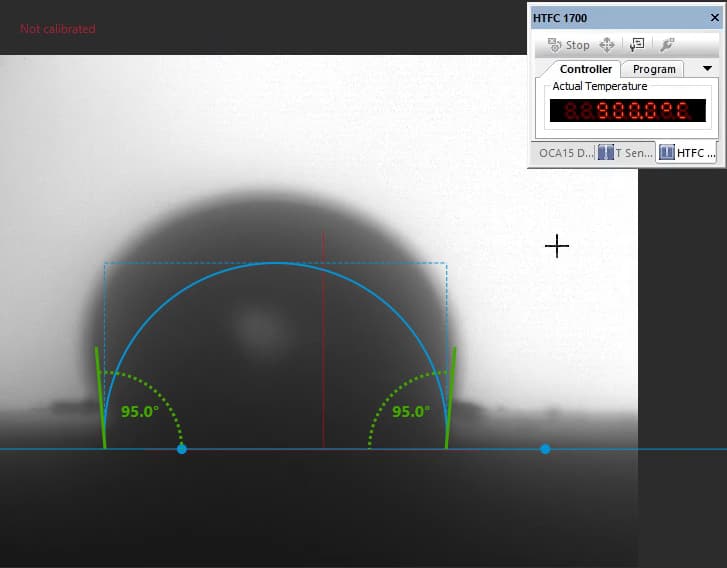
Our focus was on carbonate electrolytes, which operate optimally between 800–900 °C due to their high ionic conductivity and stability under reducing conditions. In each test, a carbon plate was placed at the base of the furnace to act as the electrode surface. On top of this, a compressed pellet of powdered electrolyte was prepared using a hydraulic press. The system was then gradually heated to 900 °C, at which point the pellet melted and formed a droplet. The degree to which this droplet spread across the carbon surface provided direct insight into the material’s wettability and, by extension, its effectiveness in enabling ionic transport within a fuel cell.

To more accurately simulate real operating conditions, the tensiometer was also equipped to introduce controlled gas flows into the furnace chamber. We conducted parallel trials in both ambient air and CO₂-rich atmospheres, the latter representing the environment of a working DCFC anode where carbon oxidation produces large quantities of CO₂. This allowed us to assess whether gas composition significantly alters electrolyte spreading and electrode–electrolyte contact behavior.

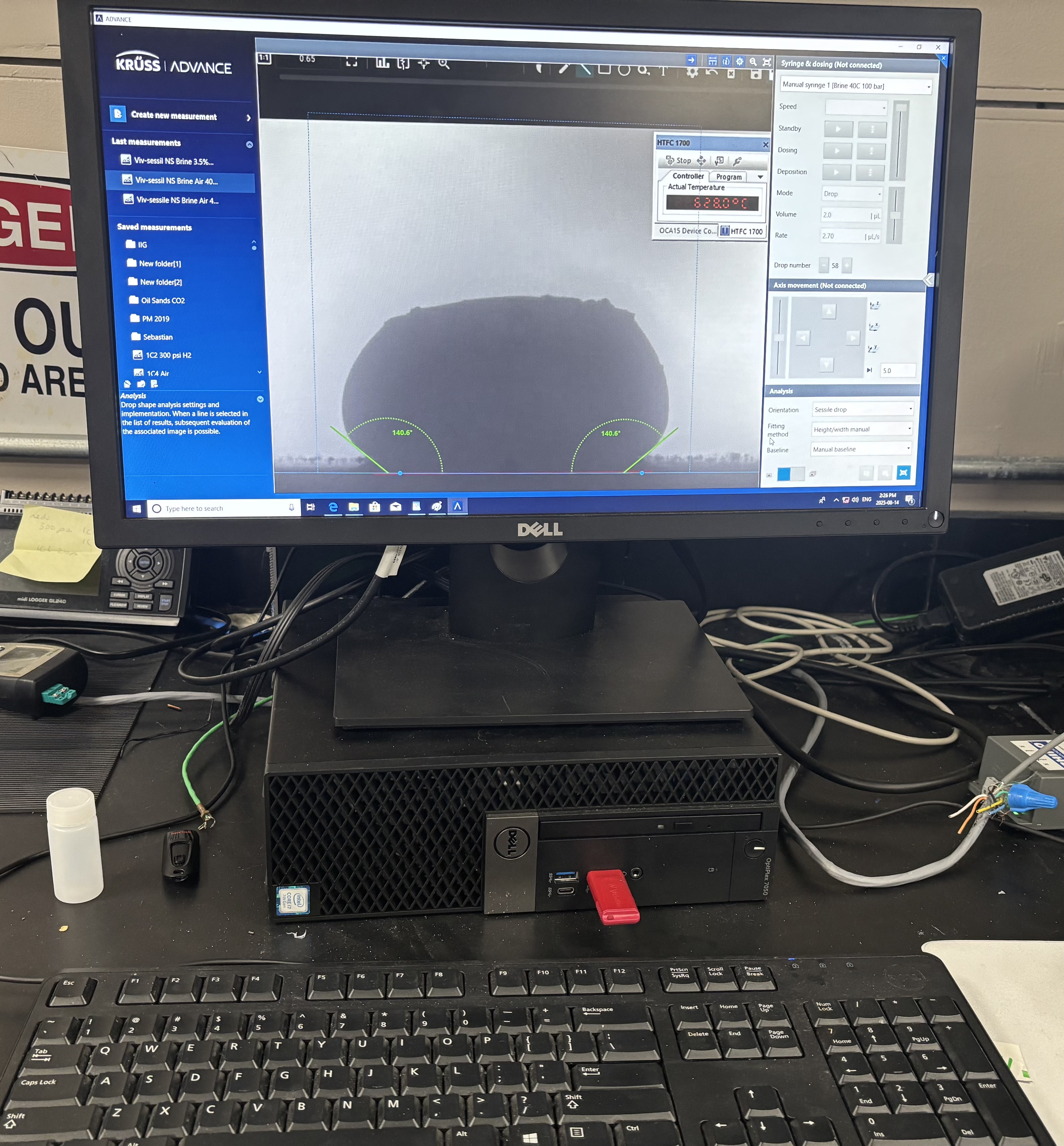
The system included a high-resolution, black-and-white scientific camera aimed directly at the reaction interface. Each experiment was filmed continuously for 2–3 hours across the heating cycle. Once complete, I processed the video data using custom Python scripts to trim heat-up phases and extract images at 10-minute intervals beginning from the melting point. These snapshots were then analyzed with specialized contact angle software available at CanmetENERGY to measure the droplet progression over time. By quantifying contact angle changes, we developed a comparative dataset of how different carbonate electrolytes performed across temperature ranges and gas environments.
View inside the tensiometer chamber where
droplets formed and spread on carbon substrates.
High-temperature tensiometer system
for electrolyte spreading studies.

From Droplets to Data

Each run generated hours of video. I developed Python scripts to process results:


video_speed.py
→ sped up droplet cycles
screen_crop.py → cropped and focused on droplet regions
video_crop.py → trimmed long videos to key reaction windows
Experiments & Findings

To evaluate candidate electrolytes for direct carbon fuel cells (DCFCs), I conducted a series of wettability tests on carbon substrates. The experiments were designed to capture how different carbonate-based electrolytes interacted with the carbon surface under both ambient and CO₂-rich conditions. Droplet images were recorded and analyzed to measure changes in contact angle over time, providing a clear metric of wetting performance.

Since this work was conducted under an NDA, I will refer to electrolytes generically (e.g., “Electrolyte 1” and “Electrolyte 2”) rather than by their exact formulations. Representative images and graphs are included to illustrate typical outcomes.

Electrolyte 1 – Strong Wetting Behavior:
Electrolyte 1
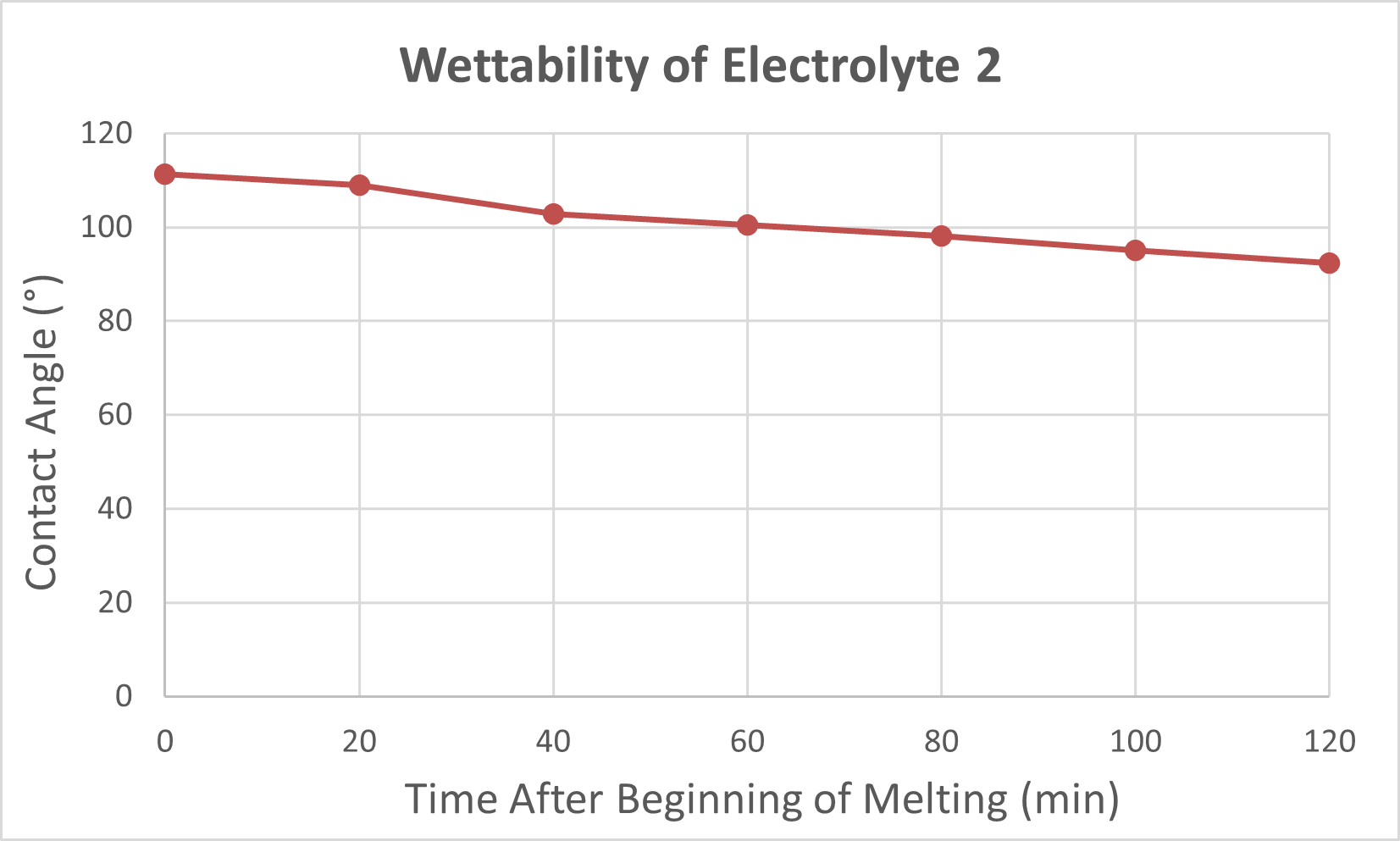
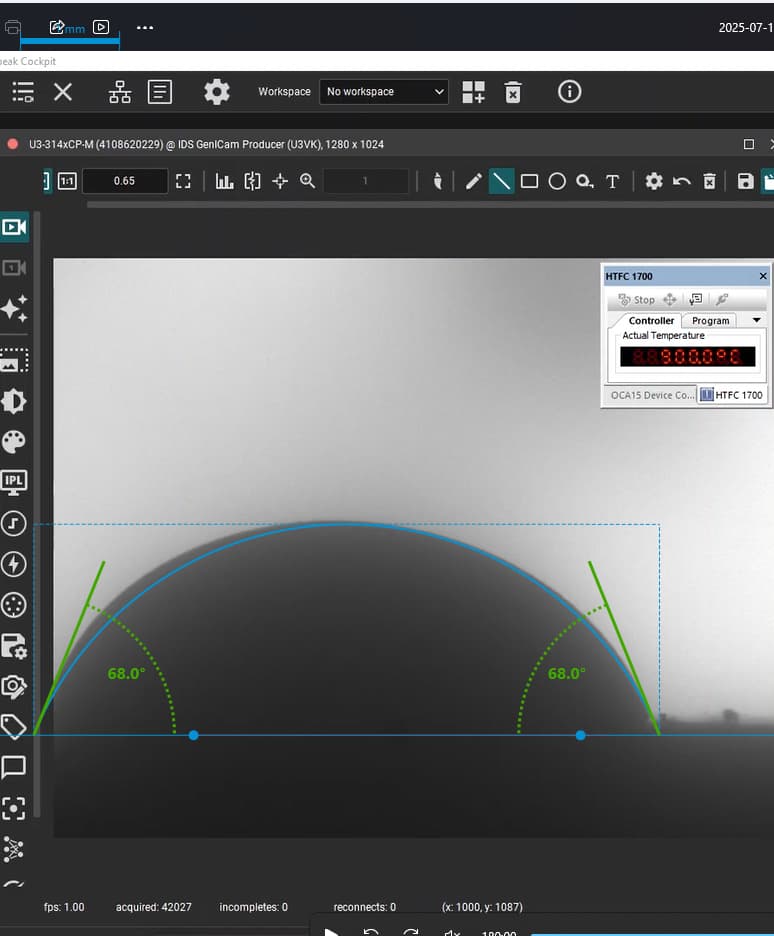
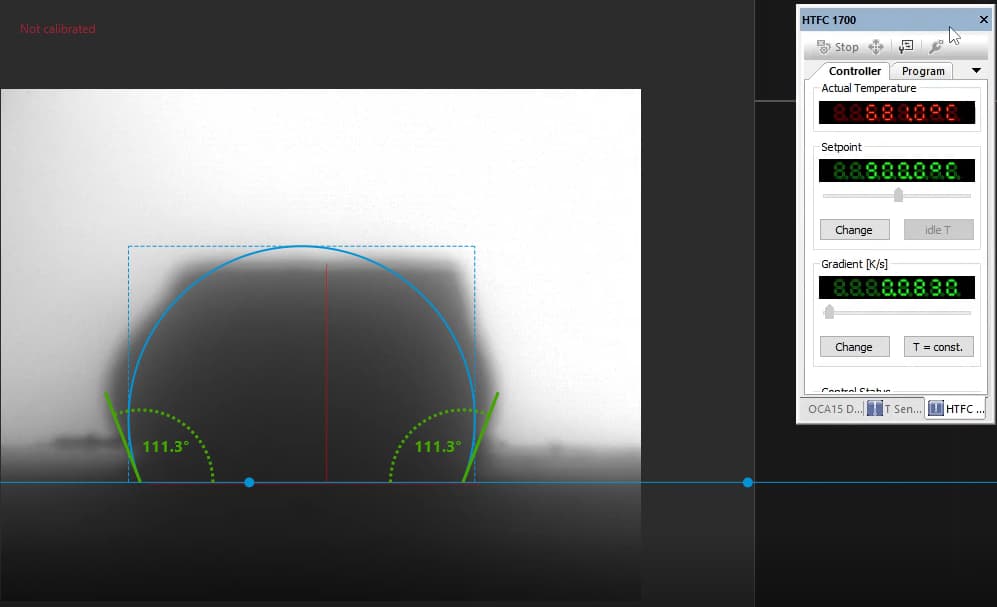
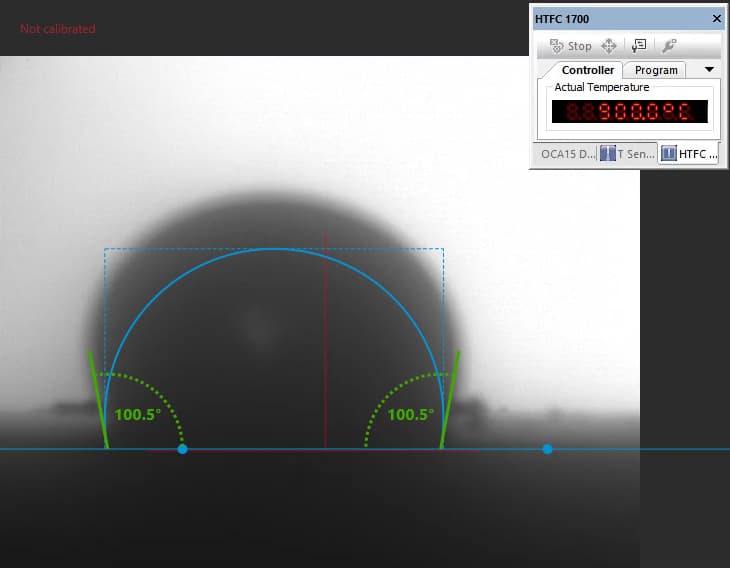
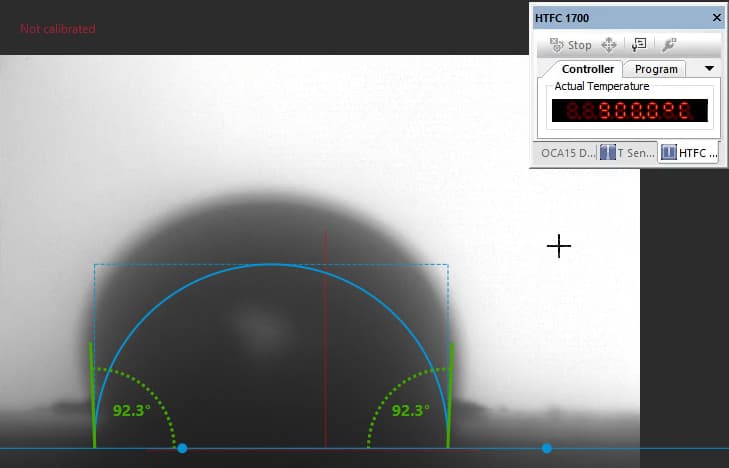
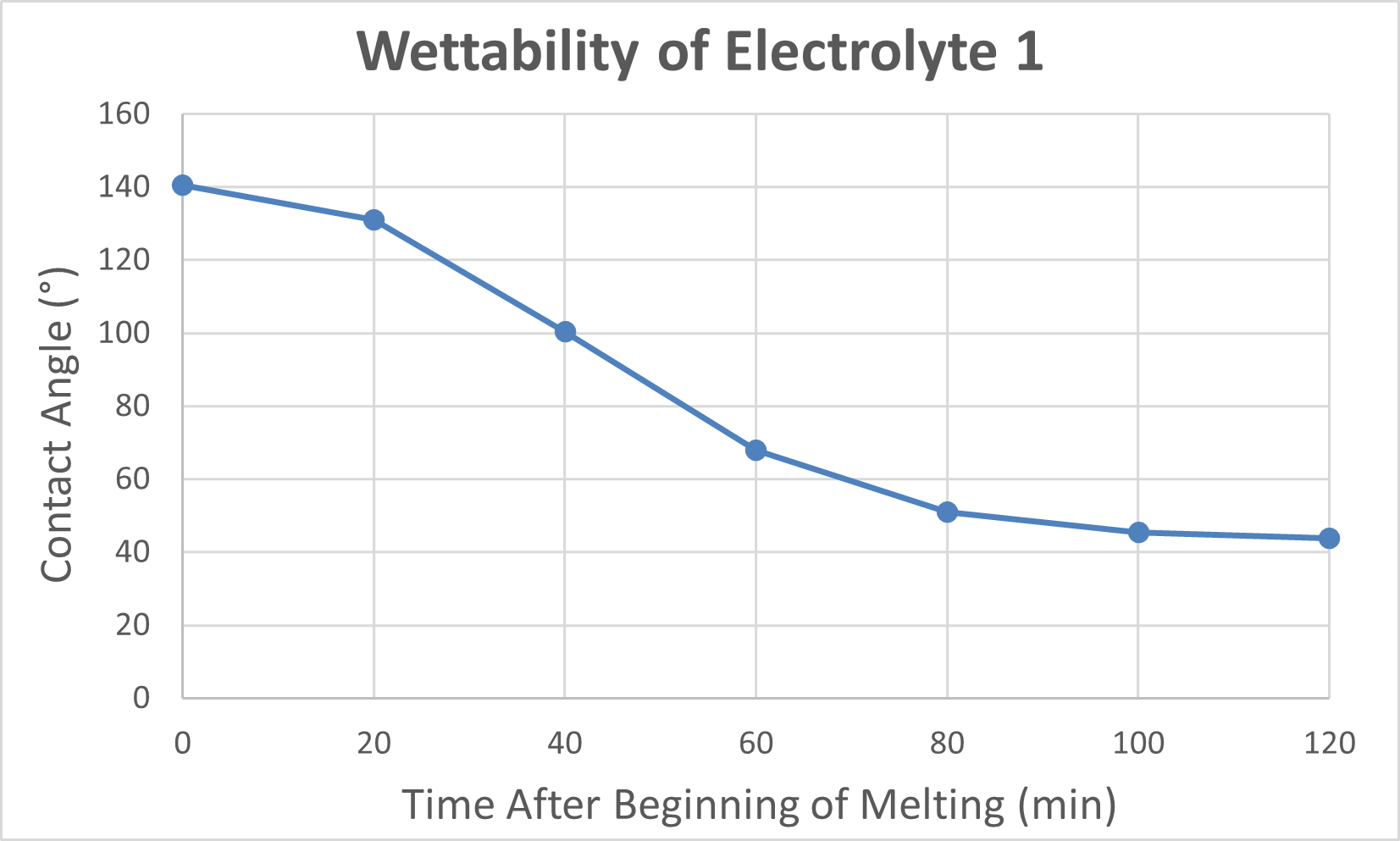
consistently displayed favorable spreading behavior, achieving lower contact angles and maintaining stable wettability over time. This suggested strong surface interaction and effective ionic conduction pathways. I included photographs of “good wetting” droplets from this series, supported by contact angle analysis graphs that highlight the sharp decline in angle during the first few minutes of testing.


Electrolyte 2 – Poor Wetting Behavior:
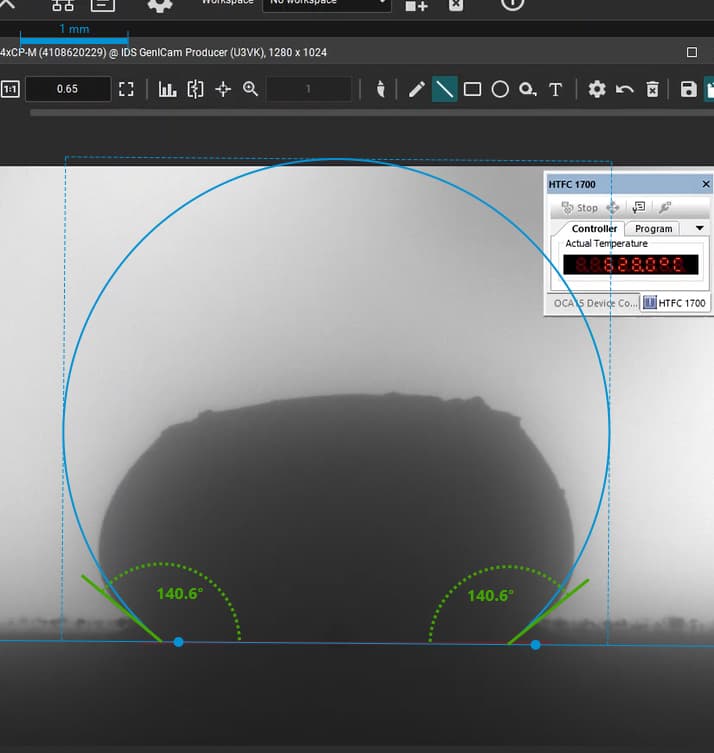
In contrast, Electrolyte 2 showed poor affinity for the carbon substrate. Droplets retained high contact angles with minimal reduction over time, reflecting limited interaction with the surface. Images of these droplets illustrate “bad wetting” behavior, and accompanying graphs quantify the consistently high angles measured during testing.


Effect of CO₂ Environment:
After establishing baseline behavior, Electrolyte 1 was retested under a CO₂ atmosphere to approximate operating conditions within a DCFC. The results revealed a modest increase in contact angle compared to tests in air, indicating slightly reduced wettability. I attributed this effect to surface carbonation on the biocarbon substrate, which likely altered its surface energy. While the electrolyte maintained generally good wetting, the shift emphasized the importance of considering realistic fuel cell conditions when evaluating candidate electrolytes.

Visual Data Representation:
To complement the descriptive results, I generated side-by-side Excel graphs comparing the contact angle trends of Electrolyte 1 and Electrolyte 2. These plots, together with droplet images, provide clear visual evidence of the performance differences between well-wetting and poorly wetting candidates. Overall, these findings demonstrated that while certain carbonate electrolytes can achieve strong initial wettability, their stability under a CO₂ environment must be carefully assessed to ensure long-term fuel cell performance.

Fixing Flaws, Finding Solutions

During testing, two key challenges emerged that required adjustments to ensure reliable results.First, the biocarbon surfaces occasionally displayed variations in roughness, which influenced droplet spreading behavior. To minimize this variability, I standardized sample preparation by ensuring flatter, more uniform surfaces before running trials.Second, some of the raw droplet images were difficult to analyze due to blurred edges. This made contact angle extraction less reliable. I solved this by preprocessing images through cropping and zoom adjustments, which improved edge detection and produced more consistent measurements across different runs. These refinements improved the repeatability of the experiments and ensured that the performance differences between electrolytes were due to material behavior rather than experimental artifacts.
Progression of Electrolyte 2 after video processing

Engineering Insights & Impact

The wettability experiments demonstrated that electrolyte selection plays a decisive role in enabling efficient carbon–electrolyte contact within DCFCs. Electrolyte 1, which achieved consistently low contact angles, highlighted how favorable surface interaction directly supports ionic transport and reaction kinetics. In contrast, Electrolyte 2 underscored the risks of poor spreading, where high contact angles translate into limited effective surface area and reduced electrochemical performance.

Testing in a CO₂ environment revealed an additional layer of complexity. Even the best-performing electrolyte experienced a modest reduction in wettability, likely due to surface carbonation on the carbon electrode. While the effect was not catastrophic, it reinforced the importance of validating materials under realistic fuel cell conditions rather than relying on ambient air measurements alone. These results suggest that successful DCFC operation depends not only on selecting an electrolyte with strong inherent spreading behavior, but also on understanding how its performance evolves under operating gases.

From an engineering standpoint, these findings illustrate a broader principle relevant to both fuel cells and batteries: interface behavior often determines system performance. Even small shifts in contact angle can cascade into changes in ionic conductivity, polarization losses, and overall efficiency. For recruiters and cell engineers, this project demonstrates my ability to design controlled experiments, identify subtle surface–electrolyte interactions, and extract engineering insights that inform material selection and system optimization.


In conclusion, my work contributed to CanmetENERGY’s broader DCFC development efforts by narrowing down promising electrolyte–carbon pairings while highlighting the critical need for CO₂-environment validation. More broadly, it strengthened my understanding of electrolyte behavior at extreme conditions and sharpened my experimental and analytical skills in electrochemical systems. These capabilities align directly with my long-term goal of contributing to next-generation cell and battery technologies, where interface design and electrolyte optimization are central challenges for advancing clean energy solutions.
“good wetting” droplet showing flat profile and strong surface interaction.
Progression of Electrolyte 2 after video processing

Want to work with an engineer who builds, tests, and iterates from first principles?

Designed to showcase not just what I can build — but how I think, test, and iterate like an engineer in the field.
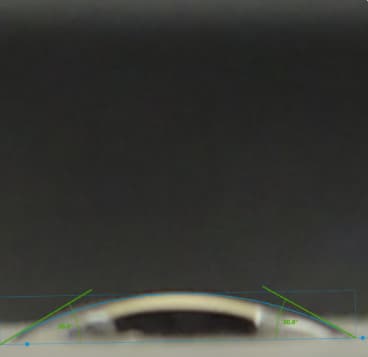
Software used to measure droplet contact angles frame-by-frame.
Sped-up footage of Electrolyte 1 melting and
spreading across the carbon substrate.
“poor wetting” droplet retaining high curvature and weak surface contact.
Sped-up footage of Electrolyte 1 melting and
spreading across the carbon substrate.
Sped-up footage of Electrolyte 2 retaining poor
wetting behavior across the test cycle.
FAQ

Engineering portfolio: your questions answered

Explore detailed answers about my technical projects, research focus, and engineering skills. This section clarifies my methodologies, experience, and areas of expertise for prospective employers.

Which projects are featured here?

Highlighted projects include biocarbon densification analysis, lab image processing with ImageJ, and nanomaterials research. Each case study details experimental design, data analysis, and problem-solving in chemical engineering.

What are your main research interests?

Key interests: materials science, cell and battery engineering, and sustainable energy systems. Experience includes nanomaterials and energy storage research in academic and government labs.

What engineering skills do you offer?

Skills include technical writing, data analysis, and design thinking. Experience covers laboratory work, project management, and cross-functional teamwork in engineering environments.

How do you solve engineering problems?

Approach: define objectives, analyze data, iterate solutions. Emphasis on accuracy, reproducibility, and clear documentation for reliable research and applied project outcomes.

What industry experience do you have?

Industry experience at Natural Resources Canada focused on applied energy systems research. Responsibilities included experimental setup, data collection, and technical reporting.

How do you stay up to date?

Stay current by reviewing academic literature, attending seminars, and joining research groups. Ongoing learning and hands-on experimentation are central to professional growth in chemical engineering.